Texas does not stop you from putting a barndominium, tiny home, or RV on your land — but the deed can. That is why unrestricted acreage changes everything.
Can you build a barndominium on land in Texas? Yes — on most rural land outside city limits, Texas has no statewide law stopping you from putting up a barndominium, parking a tiny home, or living in an RV on your own property. The real gatekeeper is not the state. It is the deed restrictions attached to your specific tract.
That is why the single most important phrase in your land search is “unrestricted acreage.” On unrestricted land, the barndominium, the tiny home, and the RV are all on the table. On restricted land, any one of them can be forbidden by a paragraph you never read.
Here is how it works for each type of home, and what to check before you buy.
Deed Restrictions Decide More Than Zoning in Rural Texas
Most unincorporated rural land in Texas has no zoning. Counties generally cannot tell you what kind of structure to live in. That surprises buyers from other states, and it is genuinely good news.
But when a developer subdivides land, they can record deed restrictions that run with the property forever. Common ones ban manufactured homes, set minimum square footage, require site-built construction only, or forbid living in an RV. An HOA can add another layer of rules on top.
So the question is never “does Texas allow a barndominium on land?” The question is “does this tract's deed allow it?” Read the restrictions — or choose land that has none. Most La Tierra tracts carry no deed restrictions, and every purchase includes the survey and full documentation, so you can verify it in writing before you sign. Our guide to buying unrestricted land in Texas covers how to read and confirm restrictions step by step.
Building a Barndominium on Your Land
A barndominium — a metal-frame building finished inside as a home — is one of the most popular builds on rural Texas acreage. It goes up faster than conventional construction and gives you living space and shop or storage space under one roof.
On unrestricted land outside city limits, here is what the process usually involves:
- No county building permit for the structure itself in most unincorporated areas — Texas counties generally do not permit residential construction the way cities do.
- A septic permit, which every county does require. Your installer handles the soil evaluation and paperwork.
- Utility connections — water, electric, and internet. Tracts where utilities are already available make this the easy part. See our guide to what “utilities available” really means.
- A 911 address from the county, which you will need for deliveries and utility accounts.
One honest note on money: financing a barndominium build can work differently than financing a standard house, and lenders vary. Buying your land first with owner financing, then building as your budget allows, is a common path — ask about current terms.
Tiny Homes on Texas Land: What to Check First
Tiny home land in Texas comes with one key distinction: is the tiny home on a permanent foundation, or on wheels?
On a foundation, a tiny home is treated like any other small site-built or modular structure. On unrestricted rural land, minimum-square-footage rules do not exist unless the deed creates them.
On wheels, a tiny home is usually treated like an RV or park model. That is fine on unrestricted land, but restricted subdivisions frequently ban exactly this.
Either way, the same rural basics apply: you need a legal way to handle wastewater (a permitted septic system), a water source, and power. A tiny home's small footprint does not exempt it from the county septic rules. Our breakdown of well, septic, and internet costs covers what those setups typically run.
If your plan is a manufactured or mobile home rather than a tiny home, the rules are close cousins — our guide to putting a mobile home on land in Texas covers that path in detail.
RV Living on Your Own Land in Texas
RV living on your own land in Texas is legal on most unrestricted rural acreage — many buyers park an RV on their tract while they save for or build the permanent home. Some make the RV the permanent plan.
Three things make it work long term:
- Wastewater. You cannot dump tanks on the ground. A permitted septic connection or an approved holding-tank arrangement through your county keeps you legal.
- Power and water. A standard electric service with an RV pedestal and a water connection turn a parking spot into a homestead.
- Deed restrictions. Restricted subdivisions often ban full-time RV living outright or cap it at a set number of days. Unrestricted acreage removes that risk.
Check one more layer: a small number of counties apply extra rules near lakes or in floodplains. A quick call to the county development or permitting office before you buy settles it.
Where to Find Unrestricted Acreage in Central Texas
Geography matters here, because unrestricted tracts close to a major city are getting harder to find. Caldwell County — Lockhart, Luling, Dale, and Seawillow — is one of the best remaining pockets: roughly 30 to 50 minutes from Austin, with working small towns and open country between them. See our Lockhart and Caldwell County spotlight for the full case.
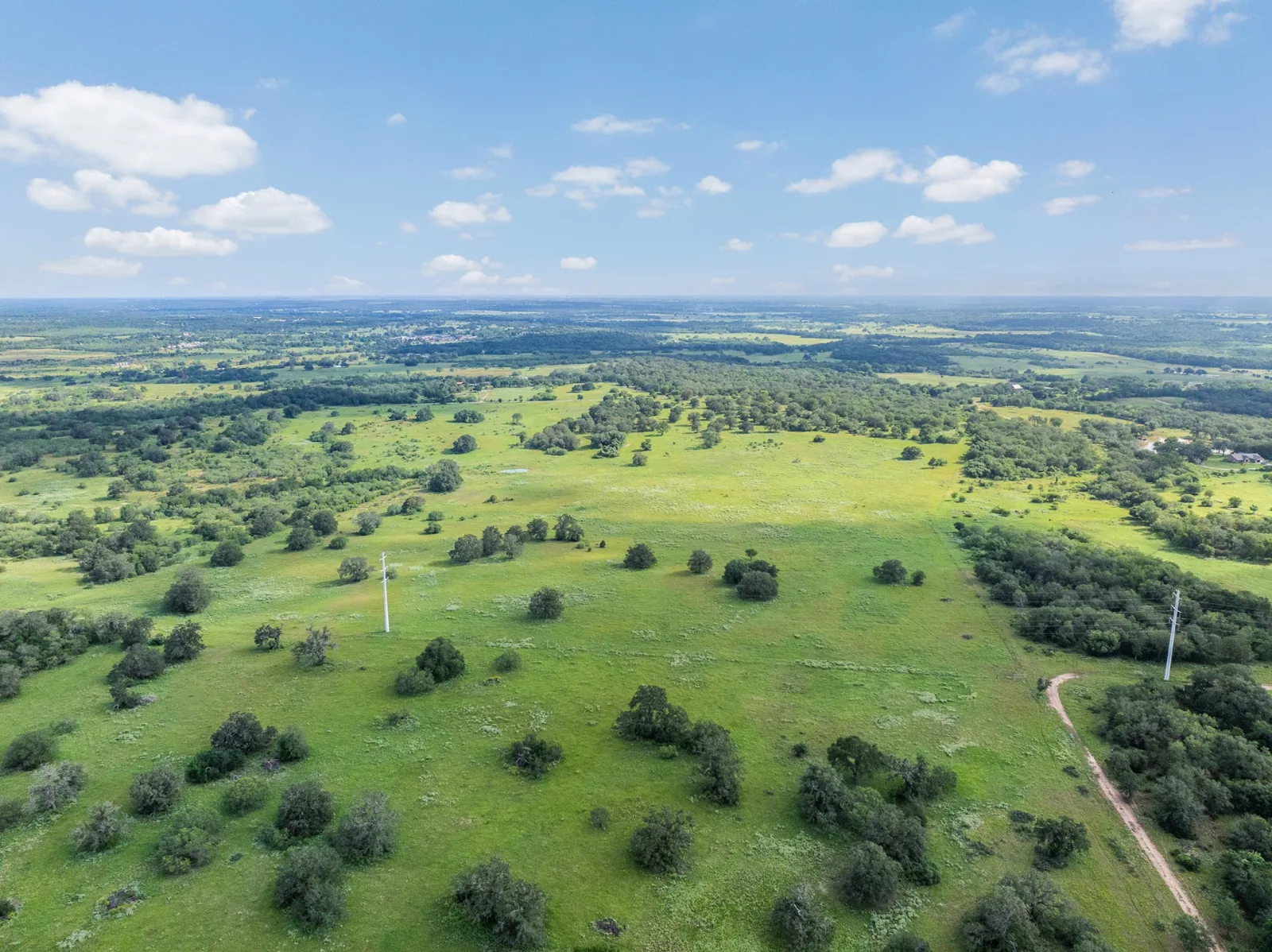
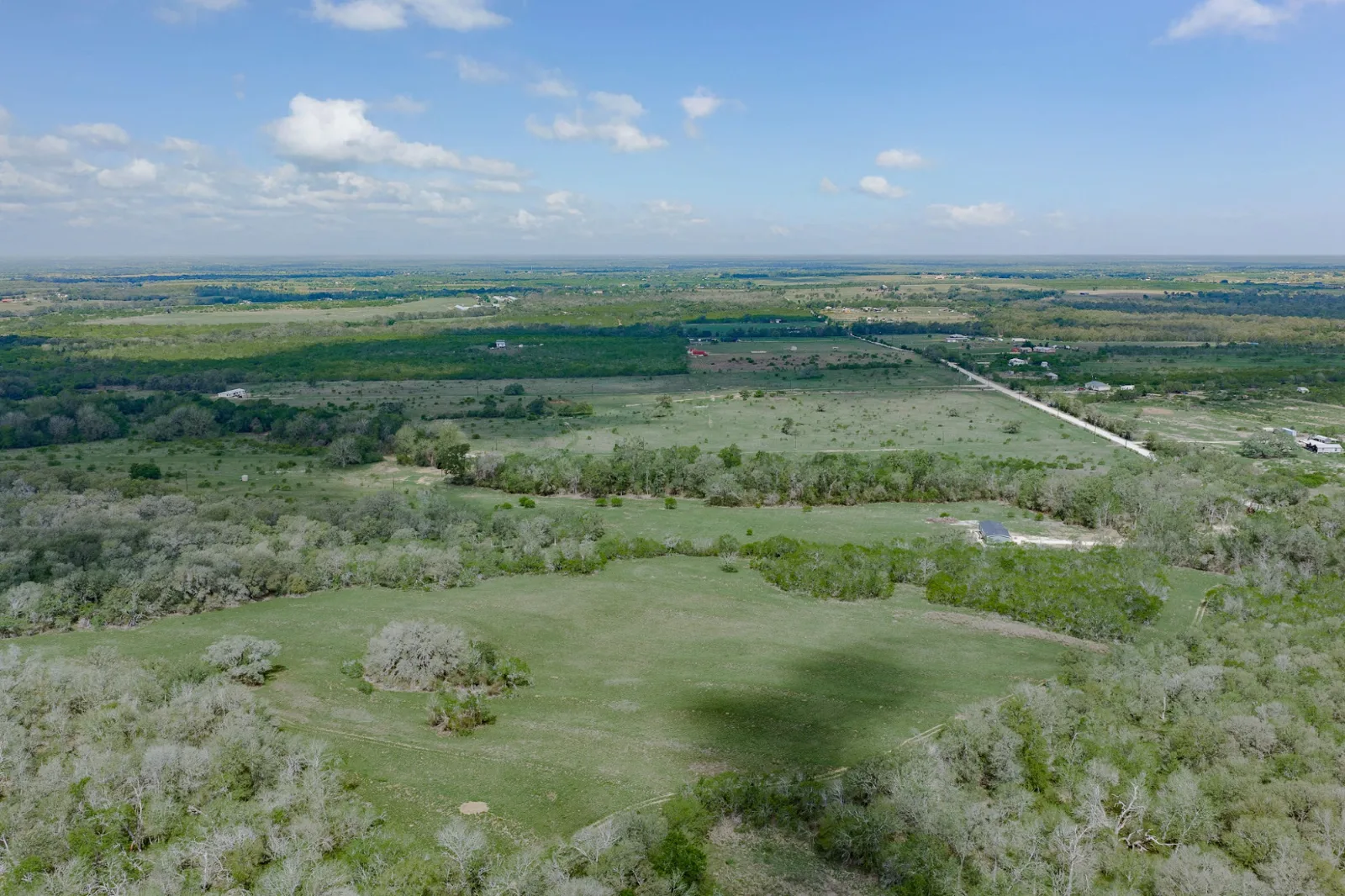
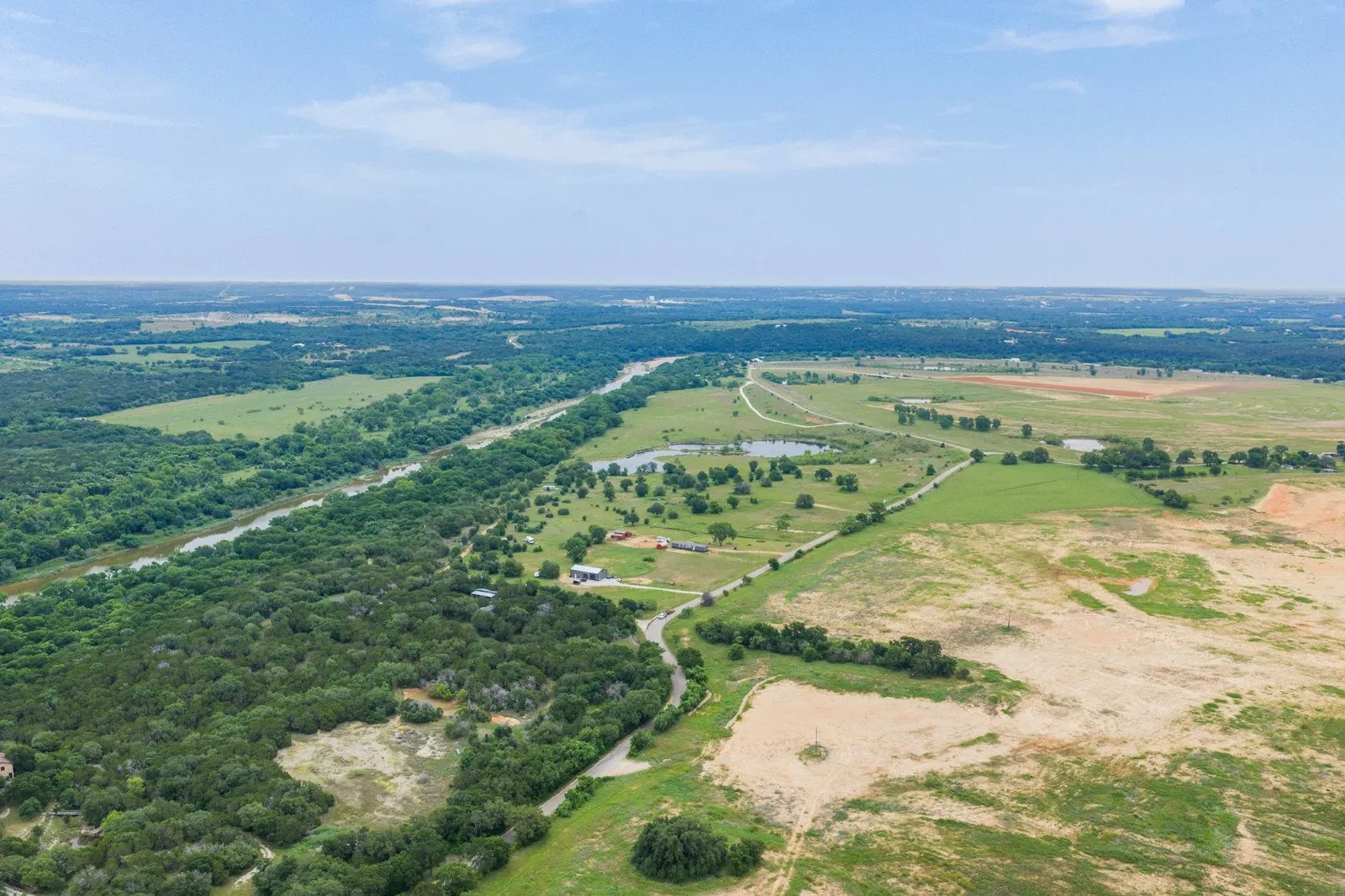
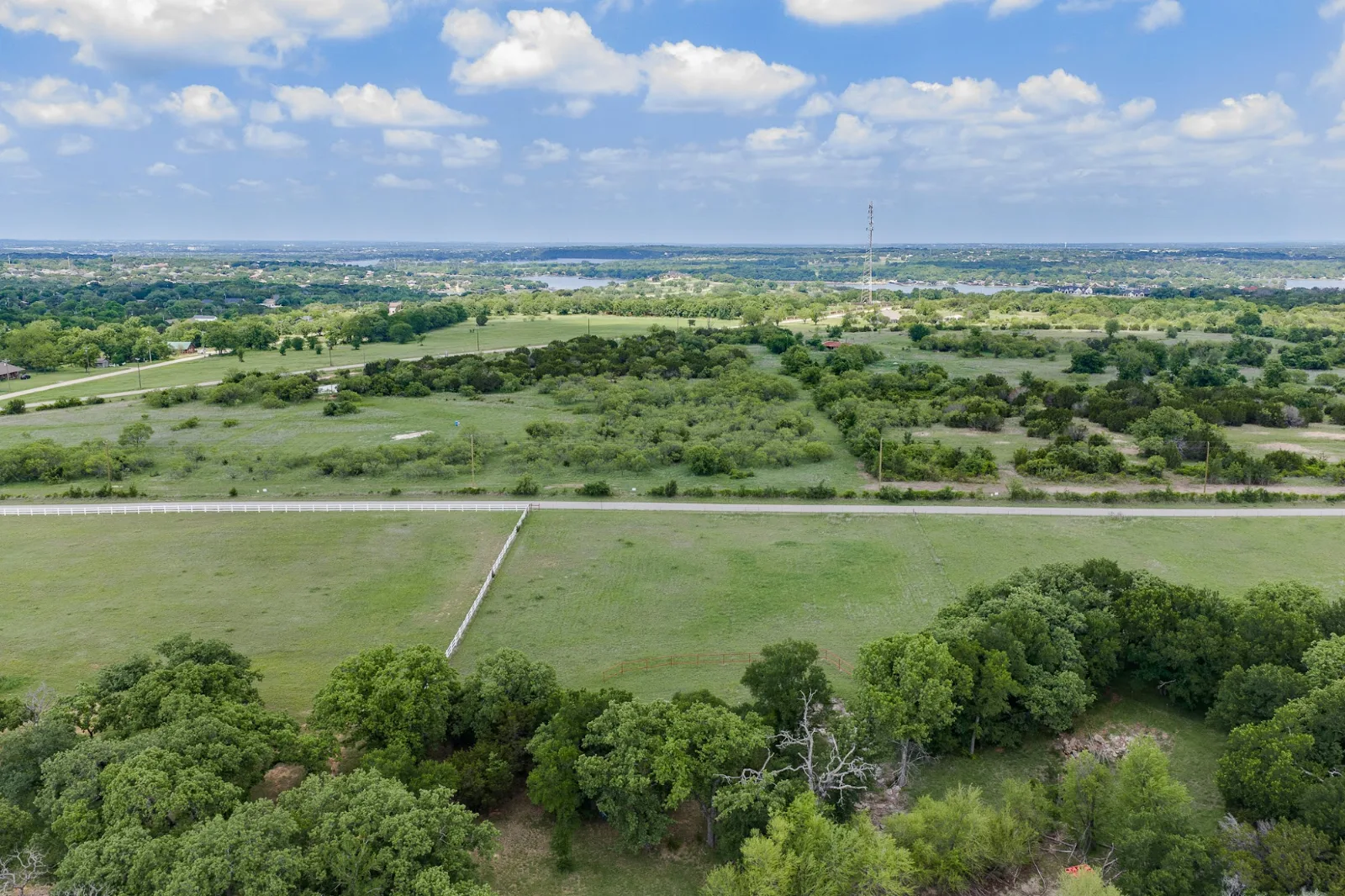
La Tierra's tracts across the region — Campo de Sueños and Plum Creek in Lockhart, Tenney Creek Ranch in Dale, Seawillow Ranches, Bateman Ranches in Red Rock, and Waelder Ranches in Gonzales County — typically run 2 to 18+ acres with no deed restrictions on most tracts. Barndominiums, tiny homes, RVs, mobile homes, and livestock are OK. Water, electric, and high-speed internet are available on most listings, which solves the hardest part of any alternative-housing plan.
Browse unrestricted Central Texas acreage and check the listing details — each tract states its restrictions status and available utilities.
Put Your Plan on Your Own Land
Whether the dream is a barndominium with a shop, a tiny home under the oaks, or an RV while you build, the path starts with the right land: unrestricted, utility-ready, and close enough to town to be practical. Call (512) 980-1719. Owner financing through Stonebridge Purchasing (NMLS #2349261) with flexible terms and a low down payment. Atención en español.
Browse Unrestricted Land
Get the Free Buyer's Checklist
Frequently Asked Questions
Do I need a permit to build a barndominium in Texas?
In most unincorporated rural areas, Texas counties do not issue building permits for residential structures, so the barndominium itself usually needs no county permit. You will still need a septic permit from the county and standard utility connections. Inside city limits, city building codes and permits apply.
Can I live in a tiny home on my own land in Texas?
Yes, on land whose deed restrictions allow it - and unrestricted land has no such restrictions. A tiny home on a foundation is treated like a small house, while one on wheels is usually treated like an RV. Either way, you need a permitted septic solution and utility hookups.
Is it legal to live in an RV full time on your own land in Texas?
On most unrestricted rural land, yes. The county's main requirement is legal wastewater handling, which usually means a permitted septic connection. Restricted subdivisions, on the other hand, often ban or limit full-time RV living, so confirm the deed before you buy.
What does "unrestricted acreage" actually mean?
It means no deed restrictions limit how you use the land - no minimum home size, no ban on manufactured homes, tiny homes, or RVs, and no HOA. County-level rules like septic permitting still apply. Most La Tierra tracts are unrestricted, and the documentation provided with each tract confirms it.
This article is general information for Texas land buyers and is not legal, tax, or financial advice. County rules, deed restrictions, septic requirements, and utility availability vary by tract — verify the specifics with the county and with La Tierra before you buy.
¿Se puede construir un barndominio en un terreno en Texas? Sí — en la mayoría del terreno rural fuera de los límites de la ciudad, Texas no tiene una ley estatal que le impida levantar un barndominio, estacionar una tiny home o vivir en una RV en su propia propiedad. El verdadero filtro no es el estado. Son las restricciones de escritura que trae su terreno específico.
Por eso la frase más importante en su búsqueda de terreno es “terreno sin restricciones.” En terreno sin restricciones, el barndominio, la tiny home y la RV están todos permitidos. En terreno con restricciones, cualquiera de ellos puede estar prohibido por un párrafo que nunca leyó.
Así funciona para cada tipo de vivienda, y qué revisar antes de comprar.
En el Texas Rural, la Escritura Decide Más que la Zonificación
La mayoría del terreno rural no incorporado en Texas no tiene zonificación. Los condados generalmente no pueden decirle en qué tipo de estructura vivir. Eso sorprende a compradores de otros estados, y es una buena noticia real.
Pero cuando un desarrollador subdivide terreno, puede registrar restricciones de escritura que acompañan la propiedad para siempre. Las comunes prohíben casas manufacturadas, fijan metros cuadrados mínimos, exigen construcción tradicional solamente, o prohíben vivir en RV. Una HOA puede añadir otra capa de reglas encima.
Entonces la pregunta nunca es “¿Texas permite un barndominio en terreno?” La pregunta es “¿la escritura de este terreno lo permite?” Lea las restricciones — o elija terreno que no tenga ninguna. La mayoría de los terrenos de La Tierra no tienen restricciones de escritura, y cada compra incluye el levantamiento y documentación completa, así que puede verificarlo por escrito antes de firmar. Nuestra guía para comprar terreno sin restricciones en Texas explica cómo leer y confirmar las restricciones paso a paso.
Construir un Barndominio en Su Terreno
Un barndominio — una estructura de marco metálico terminada por dentro como vivienda — es una de las construcciones más populares en acres rurales de Texas. Se levanta más rápido que la construcción convencional y le da espacio habitable y taller o bodega bajo un mismo techo.
En terreno sin restricciones fuera de los límites de la ciudad, el proceso normalmente incluye:
- Sin permiso de construcción del condado para la estructura en la mayoría de las áreas no incorporadas — los condados de Texas generalmente no permisan construcción residencial como lo hacen las ciudades.
- Un permiso de séptico, que sí exige cada condado. Su instalador maneja la evaluación de suelo y el papeleo.
- Conexiones de servicios — agua, electricidad e internet. Los terrenos donde los servicios ya están disponibles hacen esta parte fácil. Vea nuestra guía sobre qué significa realmente “servicios disponibles”.
- Una dirección 911 del condado, que necesitará para entregas y cuentas de servicios.
Una nota honesta sobre dinero: financiar la construcción de un barndominio puede funcionar distinto que financiar una casa estándar, y los prestamistas varían. Comprar primero el terreno con financiamiento del dueño y luego construir conforme lo permita su presupuesto es un camino común — pregunte por los términos actuales.
Tiny Homes en Terreno de Texas: Qué Revisar Primero
El terreno para tiny home en Texas tiene una distinción clave: ¿la tiny home está sobre cimientos permanentes o sobre ruedas?
Sobre cimientos, una tiny home se trata como cualquier otra estructura pequeña construida en sitio o modular. En terreno rural sin restricciones, no existen reglas de metros cuadrados mínimos a menos que la escritura las cree.
Sobre ruedas, una tiny home normalmente se trata como una RV o park model. Eso está bien en terreno sin restricciones, pero los fraccionamientos con restricciones prohíben exactamente esto con frecuencia.
En ambos casos aplican los mismos básicos rurales: necesita una forma legal de manejar aguas residuales (un sistema séptico permitido), una fuente de agua y energía. El tamaño pequeño de una tiny home no la exime de las reglas de séptico del condado. Nuestro desglose de costos de pozo, séptico e internet explica cuánto cuestan normalmente esas instalaciones.
Si su plan es una casa manufacturada o móvil en vez de una tiny home, las reglas son parientes cercanas — nuestra guía sobre poner una casa móvil en terreno en Texas cubre ese camino a detalle.
Vivir en RV en Su Propio Terreno en Texas
Vivir en RV en su propio terreno en Texas es legal en la mayoría de los acres rurales sin restricciones — muchos compradores estacionan una RV en su terreno mientras ahorran o construyen la vivienda permanente. Algunos hacen de la RV el plan permanente.
Tres cosas lo hacen funcionar a largo plazo:
- Aguas residuales. No puede vaciar los tanques en el suelo. Una conexión séptica permitida o un arreglo aprobado de tanque de retención por su condado lo mantiene en regla.
- Energía y agua. Un servicio eléctrico estándar con pedestal para RV y una conexión de agua convierten un espacio de estacionamiento en un hogar.
- Restricciones de escritura. Los fraccionamientos con restricciones a menudo prohíben vivir en RV de tiempo completo o lo limitan a cierto número de días. El terreno sin restricciones elimina ese riesgo.
Revise una capa más: un número pequeño de condados aplica reglas adicionales cerca de lagos o en zonas inundables. Una llamada rápida a la oficina de desarrollo o permisos del condado antes de comprar lo resuelve.
Dónde Encontrar Acres Sin Restricciones en el Centro de Texas
La geografía importa aquí, porque los terrenos sin restricciones cerca de una ciudad grande son cada vez más difíciles de encontrar. El condado de Caldwell — Lockhart, Luling, Dale y Seawillow — es uno de los mejores bolsillos que quedan: de 30 a 50 minutos de Austin, con pueblos pequeños activos y campo abierto entre ellos. Vea nuestro panorama de Lockhart y el condado de Caldwell.
Los terrenos de La Tierra en la región — Campo de Sueños y Plum Creek en Lockhart, Tenney Creek Ranch en Dale, Seawillow Ranches, Bateman Ranches en Red Rock y Waelder Ranches en el condado de Gonzales — normalmente van de 2 a 18+ acres sin restricciones de escritura en la mayoría. Barndominios, tiny homes, RVs, casas móviles y ganado están permitidos. Agua, electricidad e internet de alta velocidad están disponibles en la mayoría de los listados, lo que resuelve la parte más difícil de cualquier plan de vivienda alternativa.
Explore acres sin restricciones en el centro de Texas y revise los detalles del listado — cada terreno indica su estatus de restricciones y los servicios disponibles.
Ponga Su Plan en Su Propio Terreno
Ya sea un barndominio con taller, una tiny home bajo los robles o una RV mientras construye, el camino empieza con el terreno correcto: sin restricciones, listo para servicios y lo bastante cerca del pueblo para ser práctico. Llame al (512) 980-1719. Financiamiento del dueño a través de Stonebridge Purchasing (NMLS #2349261) con términos flexibles y enganche bajo. Atención en español.
Ver Terrenos Sin Restricciones
Descargue la Lista Gratuita
Preguntas Frecuentes
¿Necesito un permiso para construir un barndominio en Texas?
En la mayoría de las áreas rurales no incorporadas, los condados de Texas no emiten permisos de construcción para estructuras residenciales, así que el barndominio en sí normalmente no requiere permiso del condado. Aun así necesitará un permiso de séptico del condado y las conexiones de servicios estándar. Dentro de los límites de una ciudad, aplican los códigos y permisos municipales.
¿Puedo vivir en una casa pequeña (tiny home) en mi propio terreno en Texas?
Sí, en terreno cuyas restricciones de escritura lo permitan - y el terreno sin restricciones no tiene esas limitaciones. Una tiny home sobre cimientos se trata como una casa pequeña, mientras que una sobre ruedas normalmente se trata como RV. En ambos casos necesita una solución séptica permitida y conexiones de servicios.
¿Es legal vivir en una RV de tiempo completo en mi propio terreno en Texas?
En la mayoría del terreno rural sin restricciones, sí. El requisito principal del condado es el manejo legal de aguas residuales, que normalmente significa una conexión séptica permitida. Los fraccionamientos con restricciones, en cambio, suelen prohibir o limitar vivir en RV de tiempo completo, así que confirme la escritura antes de comprar.
¿Qué significa realmente "terreno sin restricciones"?
Significa que ninguna restricción de escritura limita cómo usa el terreno - sin tamaño mínimo de casa, sin prohibición de casas manufacturadas, tiny homes o RVs, y sin HOA. Las reglas del condado como el permiso de séptico siguen aplicando. La mayoría de los terrenos de La Tierra son sin restricciones, y la documentación incluida con cada terreno lo confirma.
Este artículo es información general para compradores de terreno en Texas y no constituye asesoría legal, fiscal ni financiera. Las reglas del condado, las restricciones de escritura, los requisitos de séptico y la disponibilidad de servicios varían por terreno — verifique los detalles con el condado y con La Tierra antes de comprar.