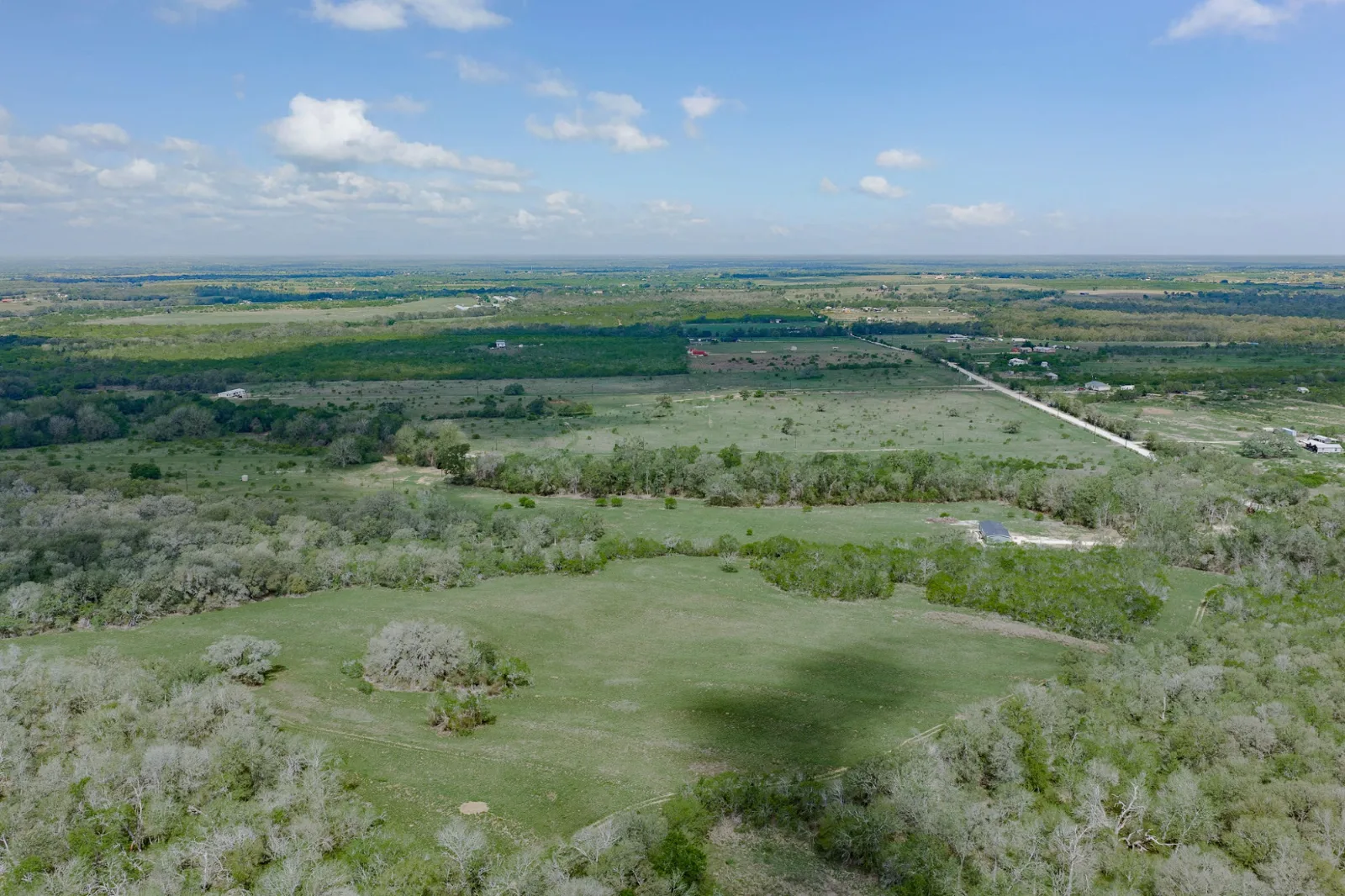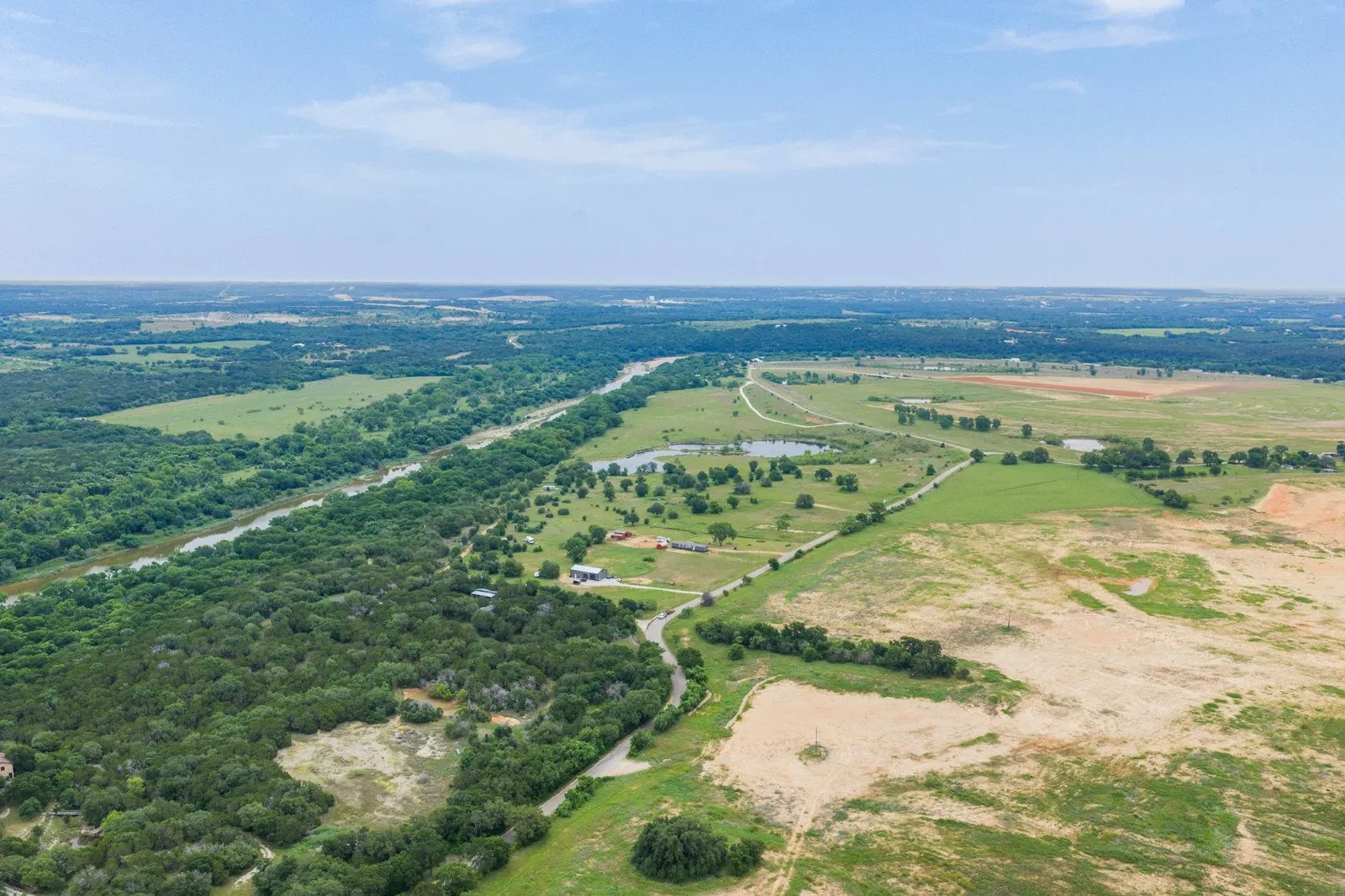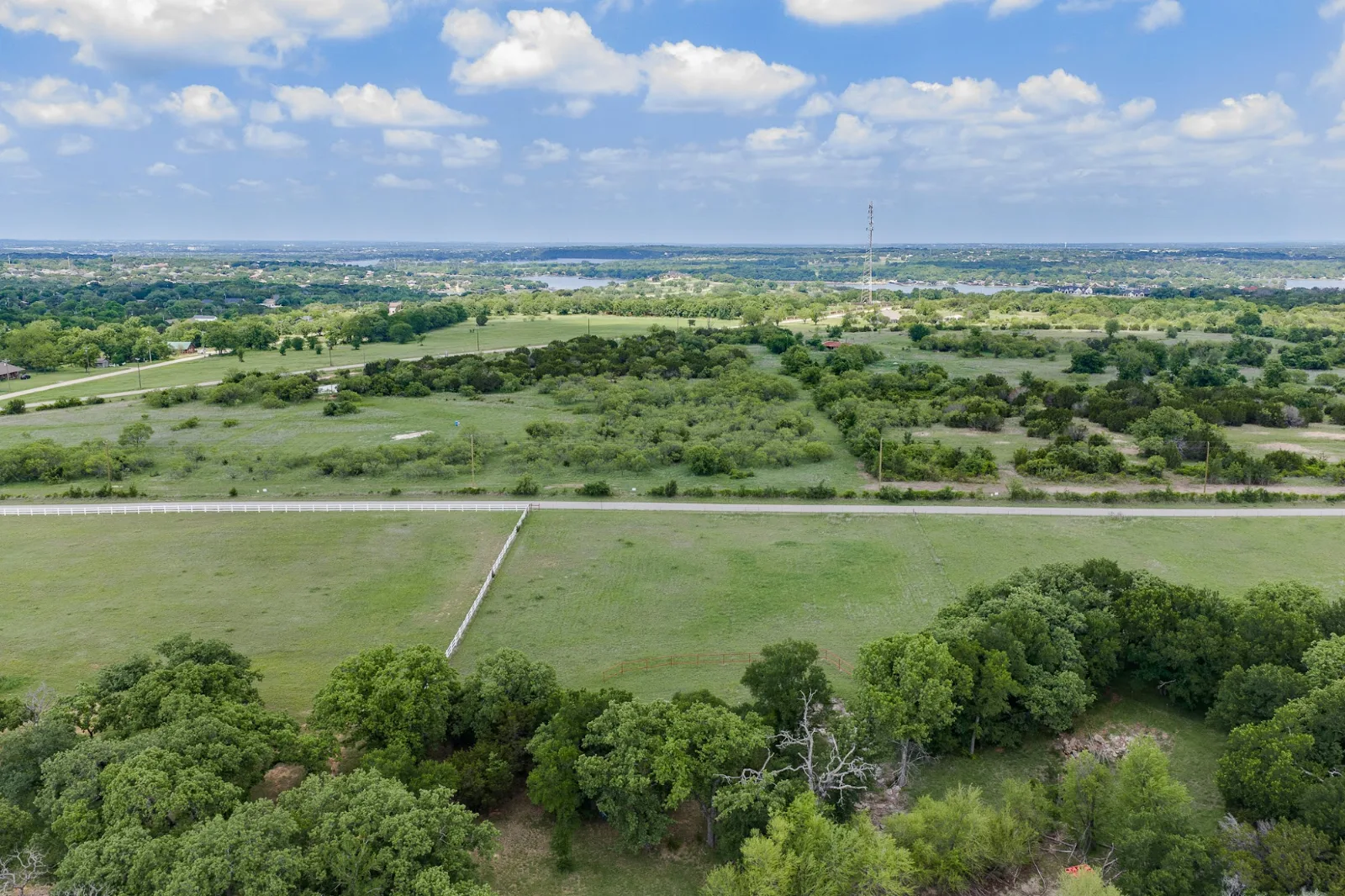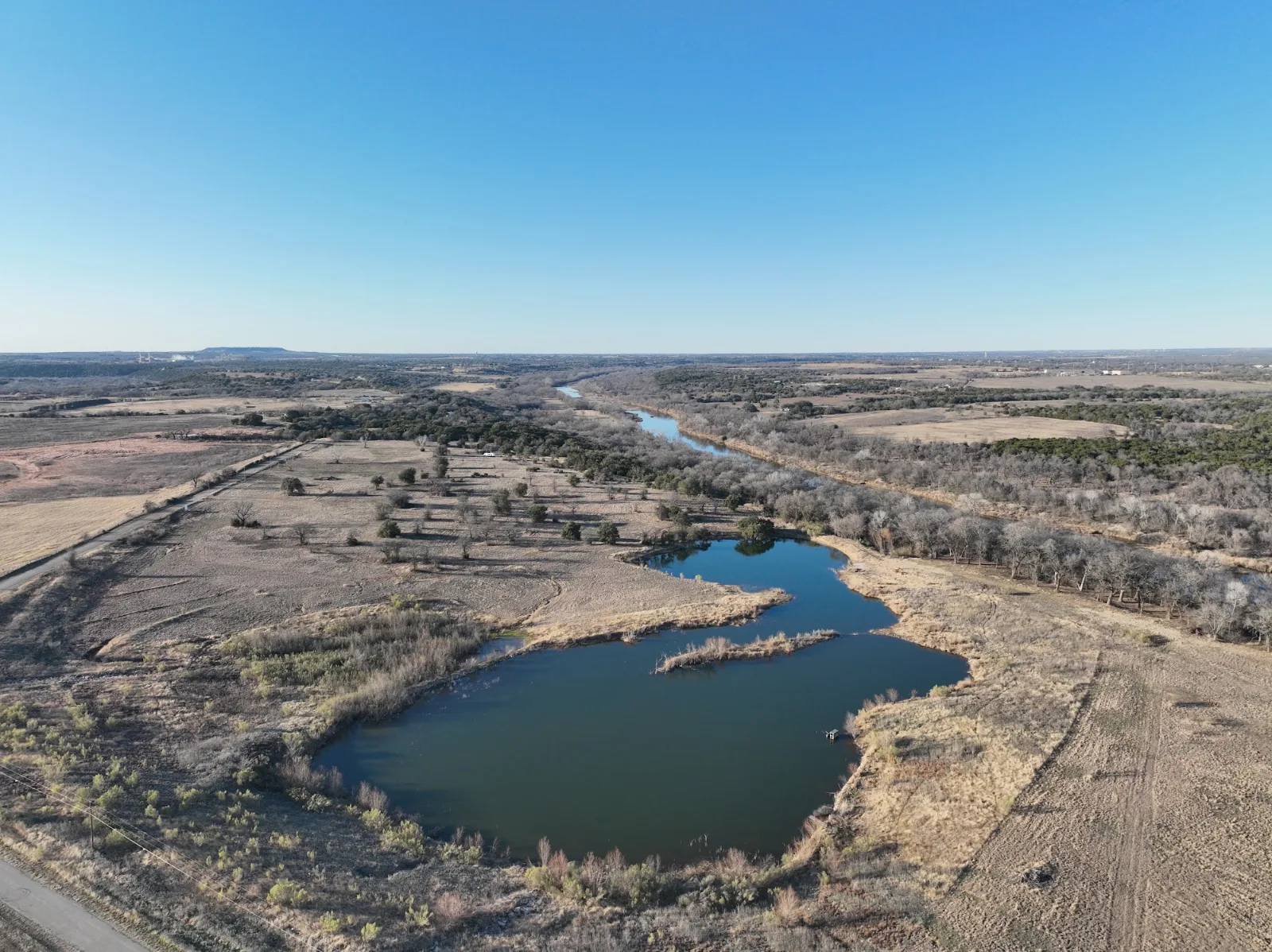
Buying land to build a house in Texas comes down to six checks: confirm the land allows your build, confirm utilities, budget site prep, understand county permits, sequence your financing, and pick a location that works for your daily life. Get those six right and building on raw land is very doable — thousands of Texans do it every year instead of buying a production home in a subdivision.
Here is the full checklist, in the order a first-time builder should work through it.
Step 1: Choose Land to Build a House in Texas That Allows Your Plans
Before you fall in love with a view, read the paperwork. Three things decide whether a tract can carry your house:
- Deed restrictions. Some rural subdivisions limit home size, construction type, or timelines. Most La Tierra tracts have no deed restrictions — site-built homes, barndominiums, mobile homes, tiny homes, and livestock are OK. Always confirm the specific tract's documents.
- Floodplain. Check FEMA flood maps. You want your homesite, driveway, and septic area on high ground.
- Access and the survey. Confirm legal road access and exact boundaries. Every La Tierra tract includes a survey and full documentation, so you are not guessing where your corners are.
A house on acreage in Texas starts with land that legally and physically accepts it. This step is where most bad purchases could have been caught.
Step 2: Confirm Utilities Before You Close
Nothing changes a build budget like utilities. A tract with water and electric available at or near the road is a fundamentally different purchase than one that needs a well, a long power run, and a satellite dish.
Ask three questions on every tract:
- Is there a water line or water co-op serving the road, or will you drill a well?
- How far is the nearest electric service point?
- What internet options actually reach the property?
Most La Tierra listings have water and electric available — that is one of the main reasons builders choose them. For a plain-English breakdown of what “utilities available” does and does not mean, read our guide to land with water and electric in Texas.
Free download: Get every pre-purchase question in one place with The Central Texas Land Buyer's Checklist, free on our resources page.
Step 3: Budget for Site Prep
Site prep is the work between “raw land” and “ready for a foundation.” On a typical Central Texas tract it includes:
- Clearing brush and trees from the homesite
- Cutting a driveway from the road, often with a culvert at the entrance
- Leveling and compacting a building pad
- Trenching utilities from the road to the house site
Site prep costs in Texas vary widely with terrain, tree cover, soil, and how far your homesite sits from the road — a flat, lightly treed tract near the road costs far less to prepare than a wooded slope at the back of the acreage. Get written quotes from local dirt-work contractors before you finalize your build budget, and treat any number you read online as a rough range at best.
If your tract needs a well or septic system, those are usually the two biggest line items — get local quotes for both early, and see our breakdown of well, septic, and internet costs on rural land for typical ranges.
Step 4: Understand Permits in Unincorporated Texas Counties
Here is good news for builders: most rural Texas land sits outside city limits, and Texas counties generally do not have zoning the way cities do. That means no city permit office approving your floor plan.
You still have real requirements, typically:
- A septic (OSSF) permit through the county's designated authority, with a site evaluation before installation
- Floodplain development rules if any part of your project touches a mapped floodplain
- A driveway or culvert permit in some counties for your road entrance
- A 911 address assignment so services and deliveries can find you
Your county's offices and the Texas Commission on Environmental Quality (TCEQ) are the authoritative sources for septic rules. Requirements differ county by county, so call the county where your tract sits — for La Tierra buyers, that is most often Caldwell County.
Step 5: Line Up the Land First, Then the Build
First-time builders often try to finance land and construction in one motion. It is usually simpler to sequence them: secure the land first, then arrange construction financing once you have plans and a builder.
Owner financing makes the first step fast. La Tierra finances its own tracts through Stonebridge Purchasing (NMLS #2349261) — a low down payment, flexible terms, and no big banks. You can own the land and take your time on the build, whether that is breaking ground next spring or paying the tract down first. Read how it works in our guide to owner financing land in Texas.
One note: owner financing covers the land itself. Construction loans are a separate product you would arrange with a lender when you are ready to build.
Step 6: Pick a Location That Works Every Day
The right build site is one you will still be happy driving to and from in year five. In Central Texas, the southeast corridor gives builders the best balance of price and practicality: Lockhart, Luling, and Dale in Caldwell County sit roughly 30 to 45 minutes from Austin via the SH-130 corridor.
Land here remains attainable relative to the region. The Texas Real Estate Research Center at Texas A&M (Texas Rural Land Markets, First Quarter 2026) puts the Austin–Waco–Hill Country regional median at $8,028 per acre, up 8.27% year over year — a regional median for broad rural acreage; small subdivided tracts near Austin often price differently. Rising values reward buyers who secure their build site early.
La Tierra tracts in these communities typically run 2 to 18+ acres with utilities available and no deed restrictions — buildable land in the most literal sense.
Find Your Build Site
The checklist only matters once you have a tract to run it on. Browse buildable Central Texas land — utilities available, no restrictions, surveys included — or call (512) 980-1719. Atención en español.
Browse Available Land Get the Free Buyer's ChecklistFrequently Asked Questions
Is it cheaper to buy land and build a house in Texas?
It depends on the land, the build, and the market you compare against. Building on acreage gives you control over cost drivers — home size, finishes, site location — and rural land often costs far less than a city lot. Run the full number: land, site prep, utilities, septic, and construction together.
Can I live on my land in an RV while I build?
On unrestricted land, generally yes — there is no HOA or deed restriction to stop you, though county septic and sanitation rules still apply. Most La Tierra tracts have no deed restrictions, which makes the build-while-you-live approach practical. Confirm the specific tract's documents first.
Do I need a permit to build a house on rural land in Texas?
Outside city limits, Texas counties generally do not review or permit house construction the way cities do. You will still typically need a septic (OSSF) permit, floodplain compliance if applicable, and possibly a driveway permit and 911 address. Check with the county where the land sits.
How much land do I need to build a house in Texas?
There is no statewide minimum, but practical factors set a floor: a septic system needs adequate space and soil, and counties may have their own siting rules. Tracts of 2 or more acres — the typical La Tierra starting size — comfortably fit a home, septic system, well if needed, and room to grow.
Can I buy land now and build later?
Yes, and many buyers do exactly that. With owner financing through Stonebridge Purchasing, you can secure the tract with a low down payment and build when your plans and budget are ready. There is no requirement to start construction by a deadline on unrestricted La Tierra tracts.
This article is general information for Texas land buyers and builders and is not legal, tax, construction, or financial advice. Verify restrictions, permits, utility availability, costs, and financing terms with the county, TCEQ, your contractors, and La Tierra before you buy or build.