Predictable ponds, seasonal creeks, and scarce river frontage — what each gives you, what to check before closing, and where to find them owner-financed.
Waterfront land for sale in Central Texas comes in three main forms: creek tracts, pond tracts, and river-frontage tracts. Each one behaves differently — in price, in maintenance, and in what you need to check before closing. The short version: ponds are the most predictable, creeks add beauty and wildlife but often run seasonally, and river frontage is the rarest and carries the most due diligence, especially around floodplains.
This guide covers what each water feature actually gives you, what to verify before you buy, and where La Tierra Realty currently has water tracts available.
Creek, Pond, or River: What Each Water Feature Gives You
Land with a creek. A creek adds shade trees, wildlife traffic, and a natural boundary or centerpiece to a tract. Many Central Texas creeks are seasonal — they run strong after rain and slow to pools in dry months. That is normal here, not a defect. Walk the creek in person and ask how it behaves through the year.
Land with a pond. A pond is the most controllable water feature. It holds water on your land, supports livestock and fishing, and does not depend on a neighbor upstream. Stock tanks and ponds are common across Caldwell County, and they are a big reason buyers choose one tract over another.
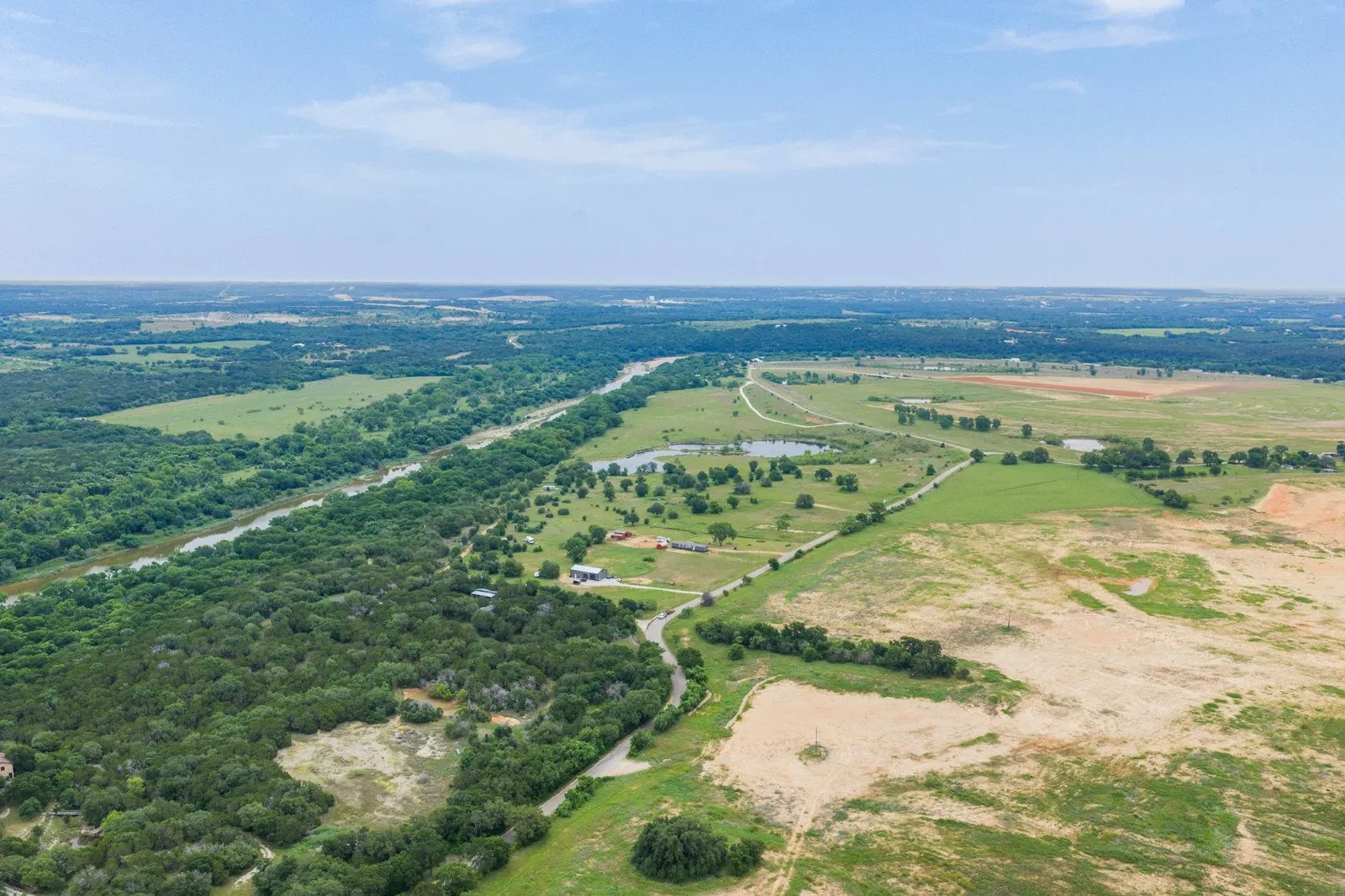
River frontage. River frontage property in Texas is scarce, and it rarely stays on the market long. It offers the most recreation value — fishing, kayaking, swimming — but it also demands the most careful floodplain review before you commit.
There is no wrong choice among the three. The right one depends on your budget, how you plan to use the land, and how much due diligence you are willing to do. The sections below walk through each of those in turn.
What to Check Before Buying Waterfront Land in Texas
Water makes land more desirable and adds a few extra homework items. Before you close on any water tract, verify:
- Floodplain status. Pull the tract on FEMA's flood maps and check with the county about any floodplain development rules. Part of a tract sitting in a floodplain is common and often fine — you just want your future homesite on high ground.
- The survey. Know exactly where the water sits relative to your boundaries. Every La Tierra tract includes a survey and full documentation, so this is answered before you sign.
- Easements and access. Confirm whether any easements follow the creek or river, and how you reach the water from your build site.
- Water rights, in plain terms. Surface water in Texas creeks and rivers generally belongs to the state. Landowners typically have limited rights for domestic and livestock use — confirm the specifics with the Texas Commission on Environmental Quality (TCEQ) if your plans depend on drawing water.
- How the water behaves. Ask the seller and the neighbors: Does the creek run year-round? Has the pond ever gone dry? Where did the water reach in the last big flood?
None of this should scare you off. It is the same due diligence any careful land buyer does — water just raises the stakes. Our post on mistakes to avoid when buying raw land in Texas covers the full checklist.
Waterfront Land for Sale in Central Texas: Where La Tierra Has Water Tracts
La Tierra's footprint includes three communities where water is the headline feature:
- Brazos River Ranch — Granbury, Hood County. Tracts near the Brazos River, about an hour southwest of Fort Worth. This is the river play in our portfolio.
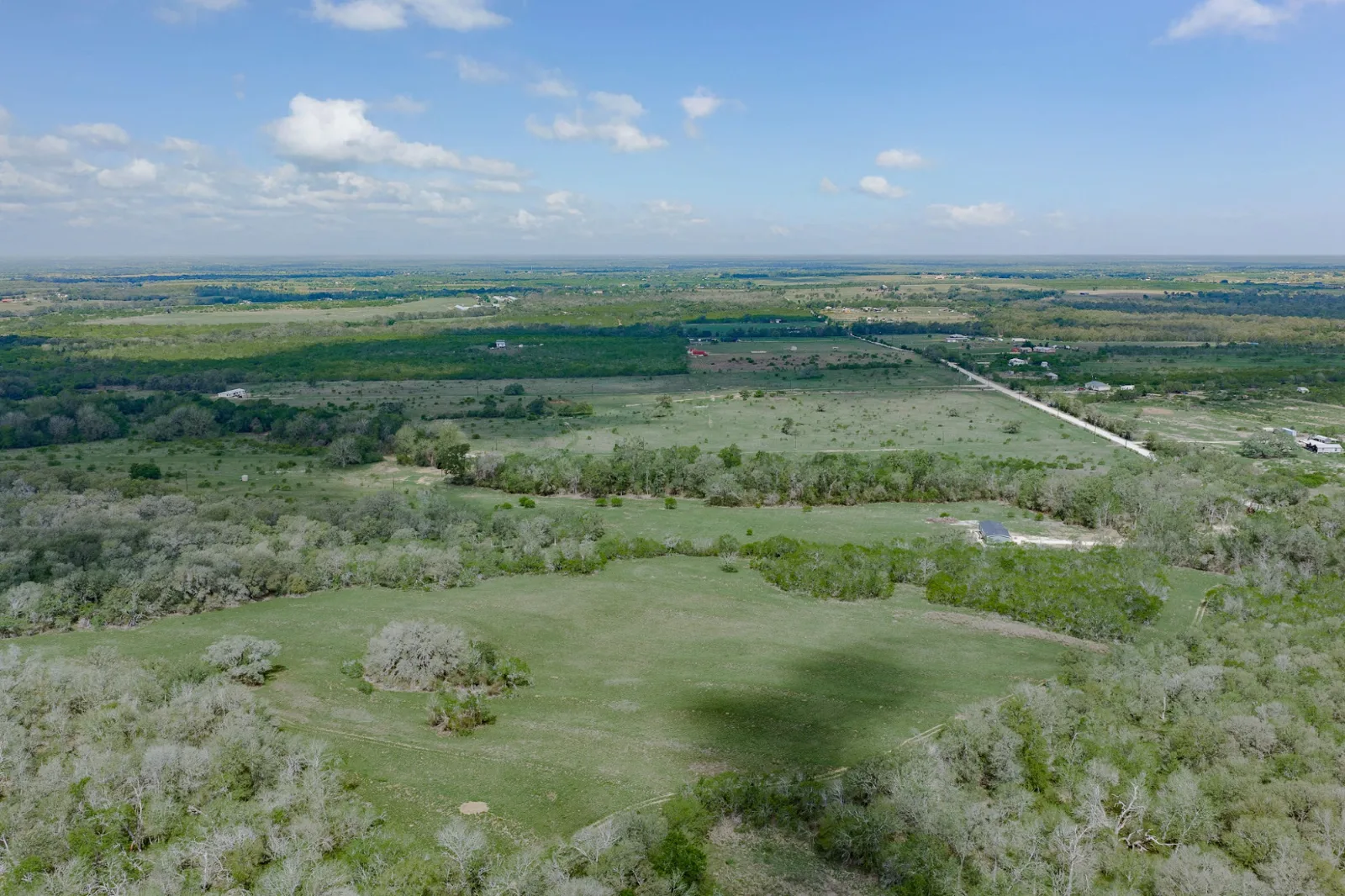
- Mineral Springs Ranches — Luling, Caldwell County. Acreage with a pond, in the heart of our core county southeast of Austin.
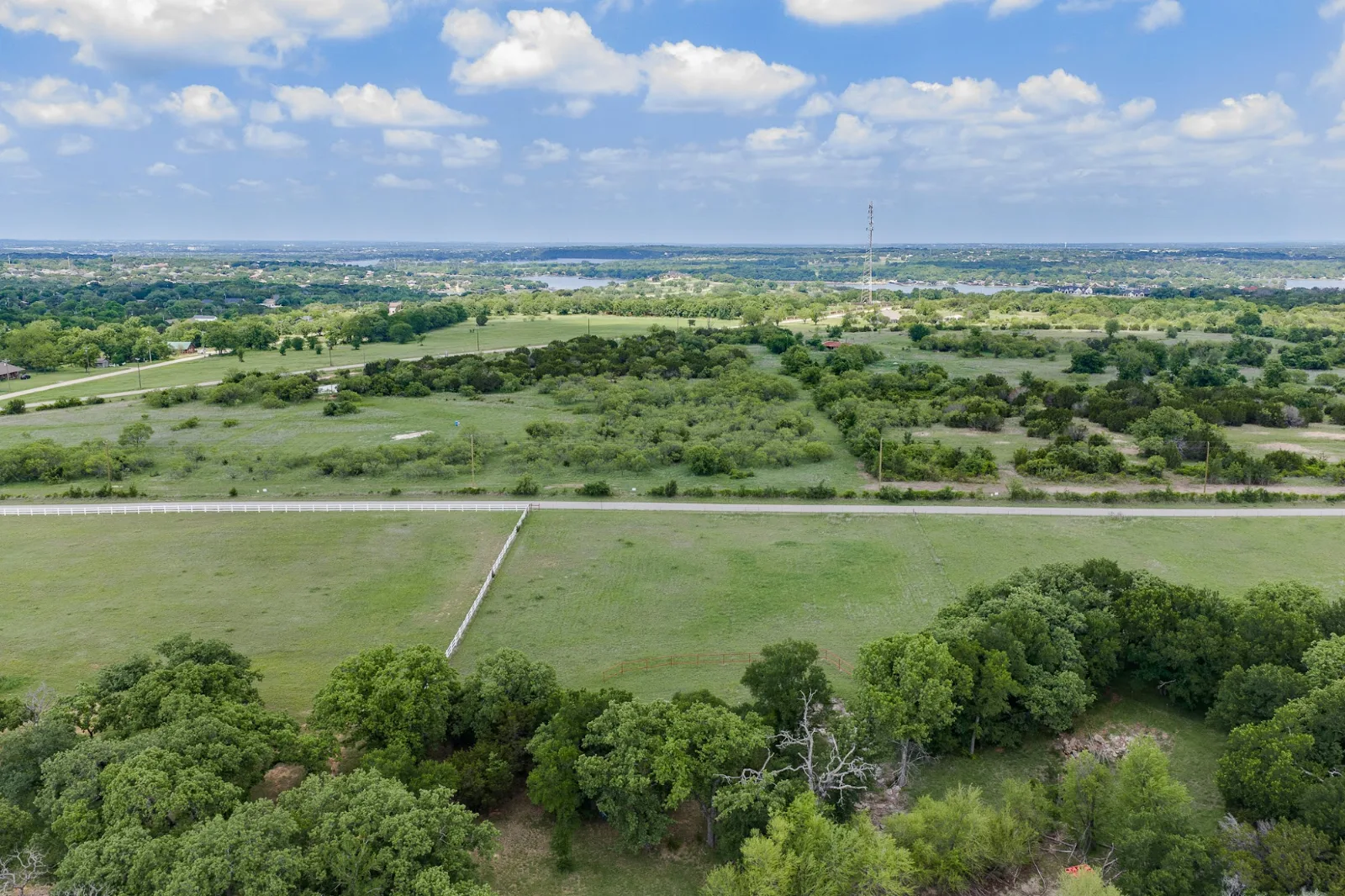
- Tenney Creek Ranch — Dale, Caldwell County. Creek-country tracts within an easy drive of Austin via the SH-130 corridor.
Tracts typically run 2 to 18+ acres. Most have no deed restrictions — mobile homes, RVs, tiny homes, barndominiums, and livestock are OK — and most have water, electric, and high-speed internet available. Every purchase includes a survey and full documentation, so the boundary and floodplain questions above are answered in writing before you sign.
Browse current inventory on our available properties page. Water tracts move quickly, so if a specific feature matters to you, call and ask what is coming available.
Recreation, Livestock, or Homesite? Match the Tract to the Use
Be honest about what the water is for, because it changes which tract fits:
Weekend recreation. If the goal is fishing, camping, and a place the family drives to on Friday, river or creek frontage delivers the most. Distance from Austin matters less, so Granbury-area tracts open up.
Livestock. A reliable pond or stock tank does more daily work than a scenic creek. Pair it with unrestricted land so the animals are actually allowed.
A homesite with a view. A creek at the back of the tract gives you the setting without putting your house near the floodplain. Build high, enjoy the water from the porch.
If you are still deciding between a weekend place and a full-time property, weigh the trade-offs between recreational and residential use before you pick the tract.
Financing a Waterfront Tract Without a Bank
Water features make land easier to love and sometimes harder to bank-finance — lenders scrutinize floodplains. Owner financing sidesteps that. La Tierra finances its own tracts through Stonebridge Purchasing (NMLS #2349261) with a low down payment and flexible terms. Ask about current terms on any water tract, or read how it works in our guide to owner financing land in Texas.
Find Your Water Tract
Creek, pond, or river — see what is available right now at Brazos River Ranch, Mineral Springs Ranches, and Tenney Creek Ranch, or call (512) 980-1719 and tell us what you are looking for. Atención en español.
Browse Available Land
Get the Free Buyer's Checklist
Frequently Asked Questions
Is waterfront land in Central Texas more expensive?
Usually, yes — water features add recreation, livestock, and scenic value, so water tracts tend to command a premium over comparable dry tracts and sell faster. The exact difference depends on the feature, the county, and the tract itself.
Can I build a house on land with a creek?
In most cases, yes. The key is placing the homesite outside the floodplain — check FEMA flood maps and county rules first. Many buyers build on the high side of the tract and keep the creek as their back-of-property amenity.
Do I own the water in a creek or river on my Texas land?
Generally, no. Surface water in Texas streams and rivers belongs to the state, though landowners typically have limited rights for domestic and livestock use. Water in a pond contained on your own land is a different situation. Confirm specifics with TCEQ before making plans that depend on the water.
Where does La Tierra have land with water features?
Brazos River Ranch in Granbury (Hood County) offers river-area tracts, Mineral Springs Ranches in Luling (Caldwell County) features a pond, and Tenney Creek Ranch in Dale (Caldwell County) offers creek-country acreage. All are owner-financed with surveys included.
Does a floodplain make a tract a bad buy?
Not necessarily. Many good tracts have some floodplain along a creek or river — that is often where the trees and wildlife are. The question is whether there is enough high ground for your home, driveway, and septic system.
This article is general information for Texas land buyers and is not legal, tax, or financial advice. Verify floodplain status, water rights, restrictions, utilities, and financing terms with the county, TCEQ, and La Tierra before you buy.
Los terrenos con agua en venta en el centro de Texas vienen en tres formas principales: terrenos con arroyo, con estanque y con frente de río. Cada uno se comporta distinto — en precio, en mantenimiento y en lo que hay que revisar antes de cerrar. La versión corta: los estanques son los más predecibles, los arroyos agregan belleza y vida silvestre pero suelen ser estacionales, y el frente de río es el más escaso y exige la mayor diligencia, sobre todo por las llanuras de inundación.
Esta guía cubre lo que cada tipo de agua realmente le da, qué verificar antes de comprar y dónde tiene La Tierra Realty terrenos con agua disponibles.
Arroyo, Estanque o Río: Qué Le Da Cada Uno
Terreno con arroyo. Un arroyo aporta árboles de sombra, paso de vida silvestre y un límite o atractivo natural. Muchos arroyos del centro de Texas son estacionales — corren fuerte después de la lluvia y bajan a pozas en los meses secos. Eso es normal aquí, no un defecto. Camine el arroyo en persona y pregunte cómo se comporta durante el año.
Terreno con estanque. Un estanque es el agua más controlable. Retiene agua en su terreno, sirve para ganado y pesca, y no depende de un vecino río arriba. Los estanques y tanques son comunes en el condado de Caldwell, y son una gran razón por la que los compradores eligen un terreno sobre otro.
Frente de río. La propiedad con frente de río en Texas es escasa y rara vez dura en el mercado. Ofrece el mayor valor recreativo — pesca, kayak, natación — pero también exige la revisión más cuidadosa de la llanura de inundación antes de comprometerse.
No hay una opción incorrecta entre las tres. La correcta depende de su presupuesto, del uso que planea darle y de cuánta diligencia está dispuesto a hacer.
Qué Revisar Antes de Comprar un Terreno con Agua en Texas
El agua hace el terreno más deseable y agrega algunas tareas extra. Antes de cerrar cualquier terreno con agua, verifique:
- Estado de la llanura de inundación. Busque el terreno en los mapas de inundación de FEMA y consulte con el condado las reglas de construcción. Que parte del terreno esté en llanura de inundación es común y muchas veces aceptable — solo quiere su futura casa en terreno alto.
- El levantamiento topográfico. Sepa exactamente dónde está el agua respecto a sus límites. Cada terreno de La Tierra incluye levantamiento y documentación completa, así que esto queda respondido antes de firmar.
- Servidumbres y acceso. Confirme si alguna servidumbre sigue el arroyo o el río, y cómo llega usted al agua desde su sitio de construcción.
- Derechos de agua, en términos simples. El agua superficial de arroyos y ríos en Texas generalmente pertenece al estado. Los propietarios suelen tener derechos limitados para uso doméstico y de ganado — confirme los detalles con la TCEQ si sus planes dependen de extraer agua.
- Cómo se comporta el agua. Pregunte al vendedor y a los vecinos: ¿El arroyo corre todo el año? ¿El estanque se ha secado alguna vez? ¿Hasta dónde llegó el agua en la última inundación grande?
Nada de esto debe asustarlo. Es la misma diligencia de cualquier comprador cuidadoso — el agua solo sube lo que está en juego. Nuestro artículo sobre errores al comprar terreno en Texas cubre la lista completa.
Dónde Tiene La Tierra Terrenos con Agua
La huella de La Tierra incluye tres comunidades donde el agua es el atractivo principal:
- Brazos River Ranch — Granbury, condado de Hood. Terrenos cerca del río Brazos, a una hora al suroeste de Fort Worth. Es la opción de río de nuestro portafolio.
- Mineral Springs Ranches — Luling, condado de Caldwell. Acres con estanque, en el corazón de nuestro condado principal al sureste de Austin.
- Tenney Creek Ranch — Dale, condado de Caldwell. Terrenos con arroyo a una distancia cómoda de Austin por el corredor SH-130.
Los terrenos normalmente van de 2 a 18+ acres. La mayoría no tiene restricciones de escritura — casas móviles, RVs, casas pequeñas, barndominios y ganado están permitidos — y la mayoría tiene agua, electricidad e internet de alta velocidad disponibles. Cada compra incluye levantamiento y documentación completa.
Explore el inventario actual en nuestra página de propiedades disponibles. Los terrenos con agua se mueven rápido — si una característica específica le importa, llame y pregunte qué está por salir.
¿Recreación, Ganado o Casa? Elija el Terreno Según el Uso
Recreación de fin de semana. Si la meta es pescar, acampar y un lugar al que la familia maneja el viernes, el frente de río o arroyo rinde más. La distancia desde Austin importa menos, así que se abren los terrenos del área de Granbury.
Ganado. Un estanque confiable trabaja más día a día que un arroyo escénico. Combínelo con terreno sin restricciones para que los animales realmente estén permitidos.
Una casa con vista. Un arroyo al fondo del terreno le da el paisaje sin poner su casa cerca de la llanura de inundación. Construya en alto y disfrute el agua desde el porche.
Financiar un Terreno con Agua Sin Banco
El agua hace el terreno más fácil de amar y a veces más difícil de financiar con banco — los prestamistas examinan las llanuras de inundación. El financiamiento del dueño evita eso. La Tierra financia sus propios terrenos a través de Stonebridge Purchasing (NMLS #2349261) con enganche bajo y términos flexibles. Pregunte por los términos actuales de cualquier terreno con agua, o lea cómo funciona en nuestra guía de financiamiento del dueño en Texas.
Encuentre Su Terreno con Agua
Arroyo, estanque o río — vea lo que está disponible ahora mismo en Brazos River Ranch, Mineral Springs Ranches y Tenney Creek Ranch, o llame al (512) 980-1719 y díganos qué busca. Atención en español.
Ver Terrenos Disponibles
Descargue la Lista Gratuita
Preguntas Frecuentes
¿Los terrenos con agua en el centro de Texas son más caros?
Por lo general, sí — el agua agrega valor recreativo, ganadero y escénico, así que estos terrenos suelen costar más que terrenos secos comparables y se venden más rápido. La diferencia exacta depende del tipo de agua, del condado y del terreno.
¿Puedo construir una casa en un terreno con arroyo?
En la mayoría de los casos, sí. La clave es ubicar la casa fuera de la llanura de inundación — revise primero los mapas de FEMA y las reglas del condado. Muchos compradores construyen en la parte alta del terreno y dejan el arroyo como el atractivo del fondo de la propiedad.
¿El agua de un arroyo o río en mi terreno de Texas es mía?
Generalmente, no. El agua superficial de los arroyos y ríos de Texas pertenece al estado, aunque los propietarios suelen tener derechos limitados para uso doméstico y de ganado. El agua de un estanque contenido en su propio terreno es una situación distinta. Confirme los detalles con la TCEQ antes de hacer planes que dependan del agua.
¿Dónde tiene La Tierra terrenos con agua?
Brazos River Ranch en Granbury (condado de Hood) ofrece terrenos cerca del río, Mineral Springs Ranches en Luling (condado de Caldwell) cuenta con un estanque, y Tenney Creek Ranch en Dale (condado de Caldwell) ofrece acres con arroyo. Todos con financiamiento del dueño y levantamiento incluido.
¿Una llanura de inundación hace que un terreno sea mala compra?
No necesariamente. Muchos buenos terrenos tienen algo de llanura de inundación junto a un arroyo o río — ahí suelen estar los árboles y la vida silvestre. La pregunta es si hay suficiente terreno alto para su casa, entrada y sistema séptico.
Este artículo es información general para compradores de terrenos en Texas y no constituye asesoría legal, fiscal ni financiera. Verifique el estado de inundación, derechos de agua, restricciones, servicios y términos de financiamiento con el condado, la TCEQ y La Tierra antes de comprar.