Choose based on how often you will be there and what you need running on day one — and know that unrestricted land lets you do both.
Here is the short answer for anyone comparing recreational land for sale in Central Texas against residential acreage: choose based on how often you will be there and what you need running on day one. A weekend property can trade utilities and drive time for more acres and privacy. A homestead cannot — it needs water, electric, internet, and a reasonable commute.
The good news is that in Central Texas, unrestricted tracts blur the line. Many buyers start with a weekend place and turn it into a home later. This comparison walks through both paths so you can pick with confidence.
What Counts as Recreational Land?
Recreational land is property you use, not live on — at least not full time. In Central Texas that usually means:
- Hunting land with brush, woods, or creek bottoms that hold deer, hogs, and dove
- Weekend property for camping, RV trips, ATVs, and family cookouts
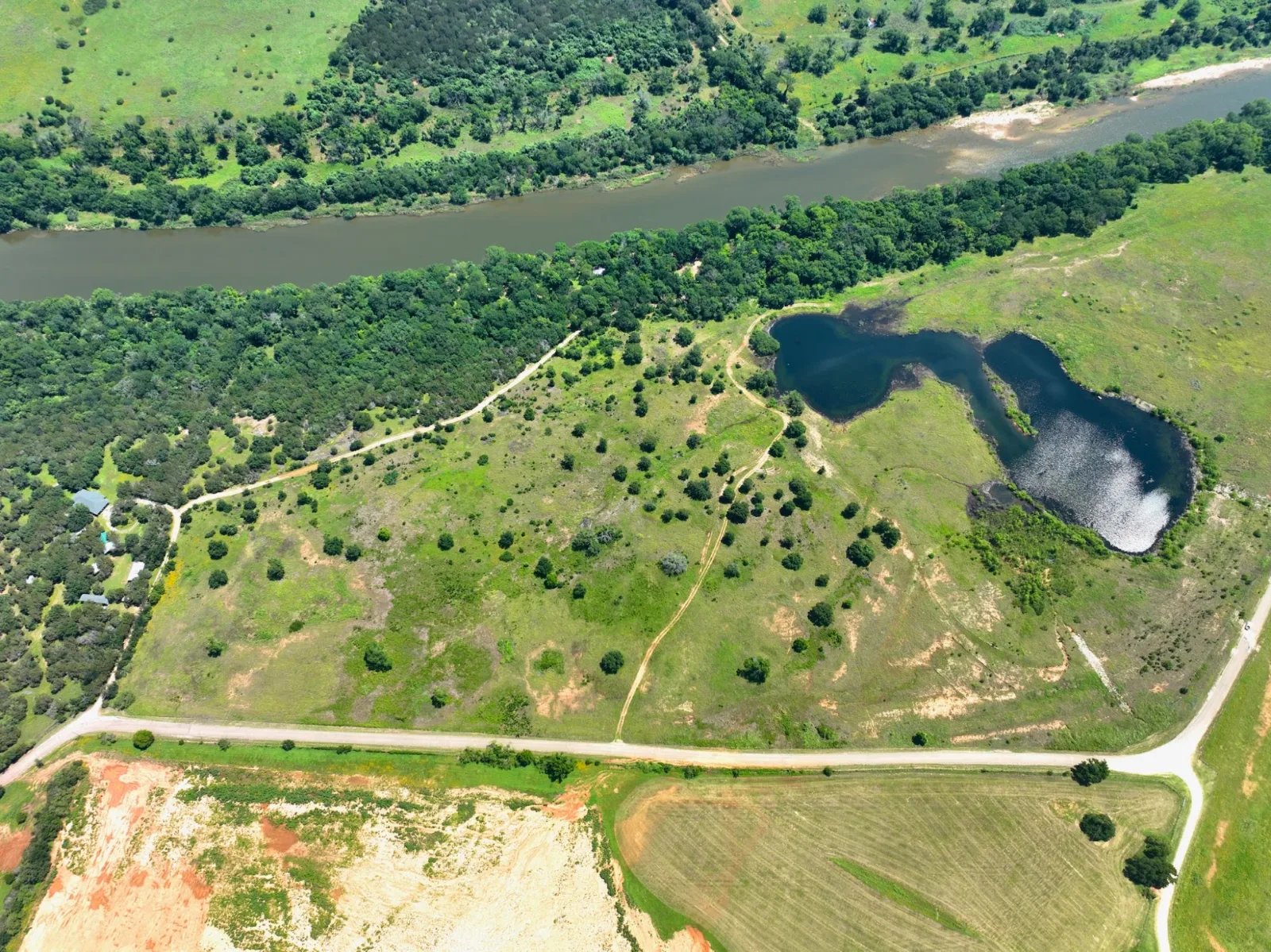
- Fishing and water access, from stock ponds to river frontage
- A long-term hold you enjoy now and build on or sell later
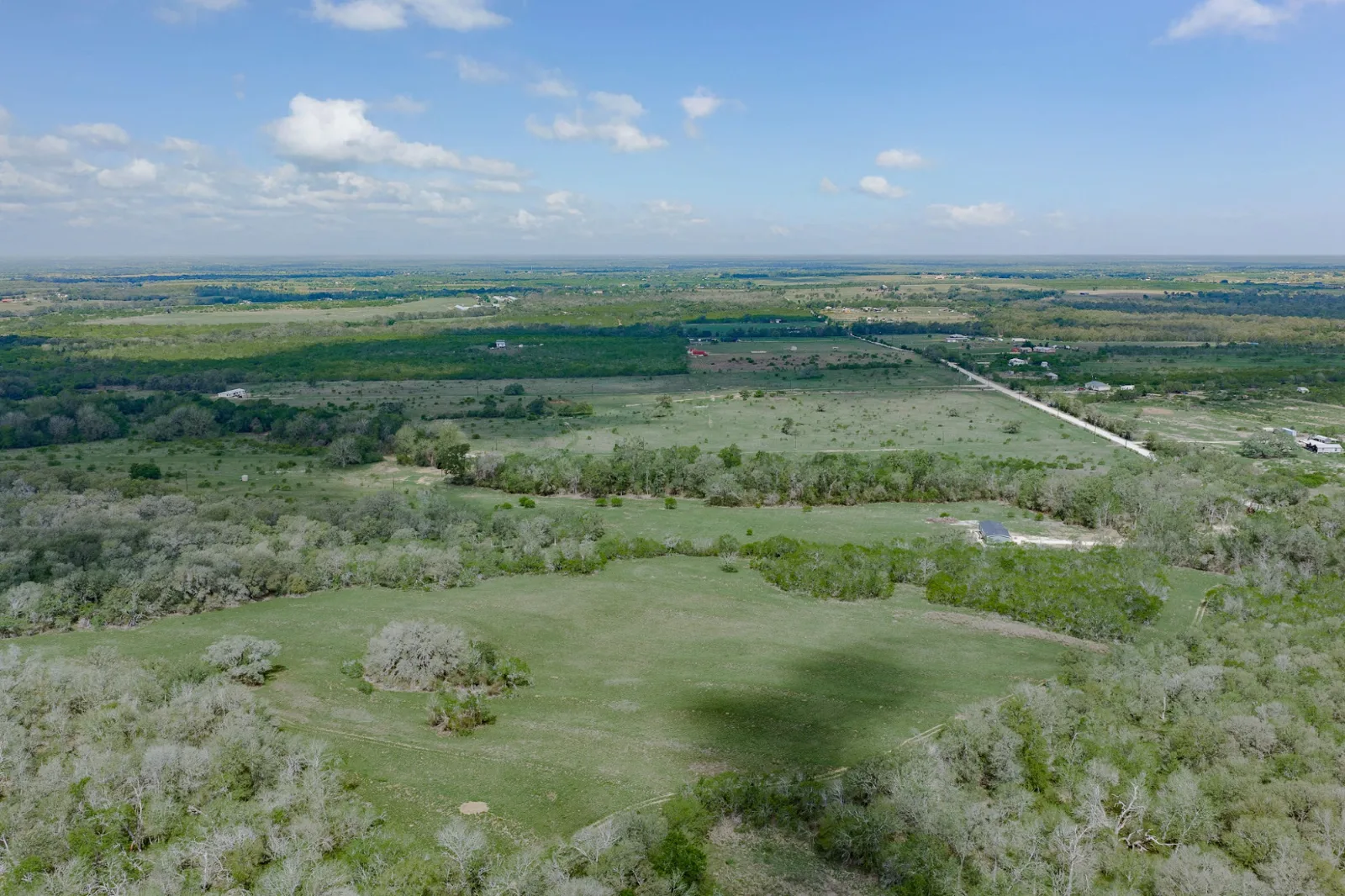
Because you are not living there daily, you can prioritize acreage, privacy, and features like water over commute time and utilities. A tract 60 to 90 minutes from Austin — around Waelder in Gonzales County or Kopperl in Bosque County — often delivers far more land per dollar than anything close to the city.
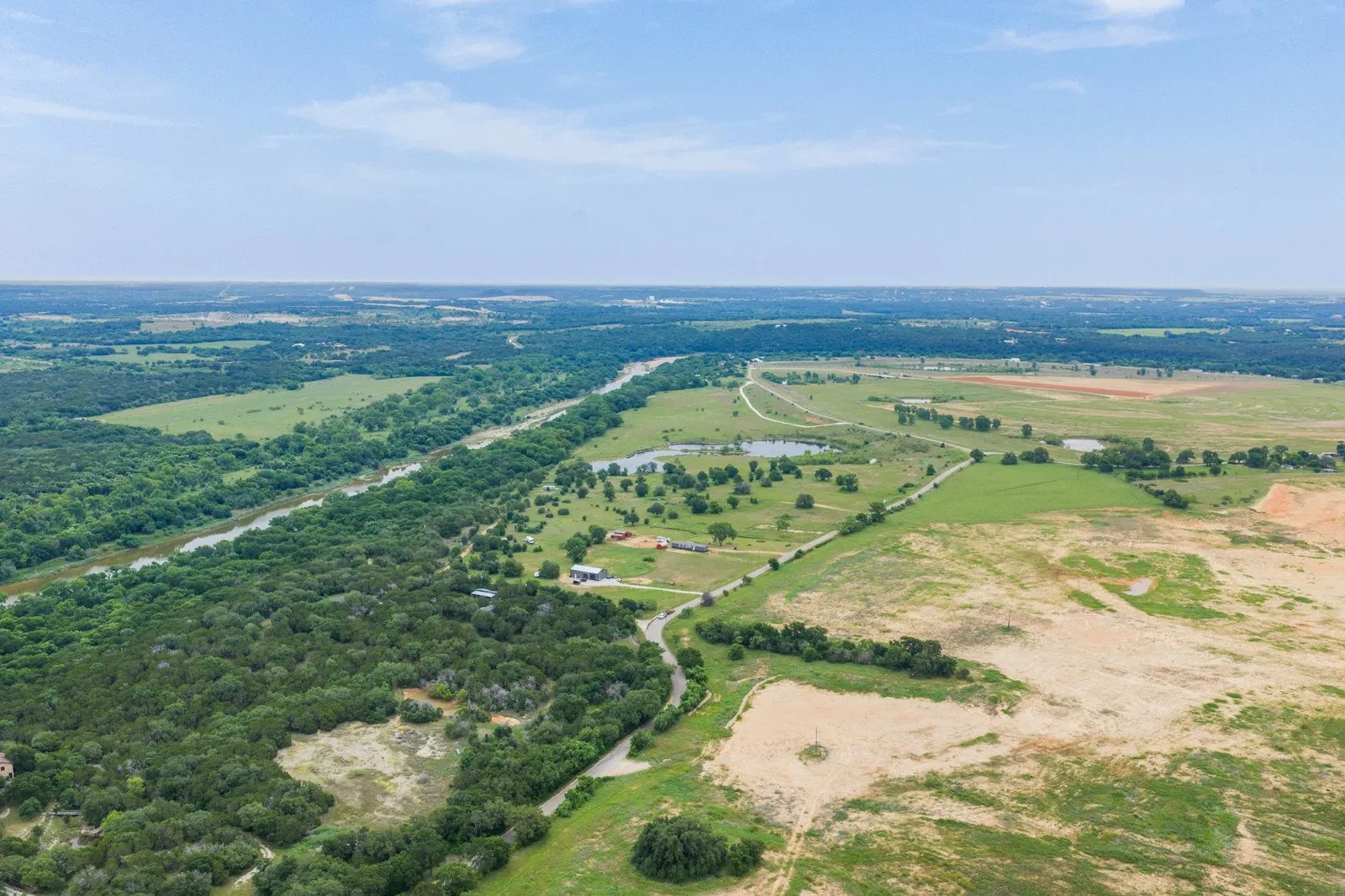
If water is the draw, our guide to creek, pond, and river tracts in Central Texas covers what to look for on waterfront land, including La Tierra's Brazos River Ranch tracts near Granbury.
What Counts as Residential Land?
Residential land is where you will actually live — a site for a house, barndominium, or manufactured home, whether that is next year or in five years. Homestead land has a stricter checklist:
- Utilities. Water, electric, and high-speed internet need to be available, not theoretical. Hauling water gets old fast when it is your everyday life.
- Drive time. Work, school, and groceries set a real limit. For Austin-area buyers, that usually means staying within about an hour of the city.
- A buildable site. Enough dry, accessible ground for a home, septic system, and driveway.
- Documentation. A survey and clear title, so construction and financing go smoothly.
This is where Caldwell County stands out: tracts around Lockhart, Luling, and Dale sit roughly 30 to 50 minutes from Austin, and most La Tierra listings there have water, electric, and high-speed internet available, with surveys and full documentation included. Our guide to land near Austin ranks the corridors by value.
Recreational vs. Residential: Five Questions That Decide It
Run your plans through these five questions:
- How many nights a month will you be there? A few weekends a year points recreational. Most nights of the week points residential.
- Do you need utilities on day one? Full-time living, yes. Hunting and camping can wait — though utilities never hurt resale.
- How far is too far? Recreational buyers stretch to 90 minutes. Homesteaders should hold the line at about an hour.
- What is your tax plan? A primary residence can qualify for a homestead exemption on the home, while larger recreational tracts with a history of agricultural use may qualify for ag valuation — check the specifics with your county appraisal district.
- What is the exit? Land close to a growing city with utilities available tends to attract the widest pool of future buyers.
There is no wrong answer — only a wrong match between the land and how you will really use it.
Why Unrestricted Land Lets You Do Both
Here is the part most buyers miss: on unrestricted land, you do not have to choose forever.
Most La Tierra tracts carry no deed restrictions. That means you can use a tract recreationally today — park the RV, camp with the kids, hunt the back fence line — and later put a barndominium, manufactured home, or site-built house on the same land. Livestock are OK too. No HOA vote, no minimum square footage, no rule against your plans changing. See what that opens up in our guide to barndominiums, tiny homes, and RVs on Texas land.
Restricted subdivisions take that flexibility away. A “residential only” deed can make weekend RV use a violation, and a recreational tract with no utility access can make future homebuilding costly. Our guide to buying unrestricted land in Texas explains exactly what you can and cannot do.
Owner financing fits this both-paths approach. Through Stonebridge Purchasing (NMLS #2349261), La Tierra offers flexible terms and a low down payment, so you can secure the land now and improve it on your own schedule — ask about current terms.
Where Each Type Shines in Central Texas
For recreational and weekend buyers: look at Waelder Ranches in Gonzales County, Brazos Point Ranch near Kopperl in Bosque County, and the Brazos River Ranch tracts near Granbury in Hood County. Mineral Springs Ranches near Luling adds pond frontage on select tracts, and Tenney Creek Ranch in Dale has creek frontage — all within reasonable reach of Austin for a Friday drive.
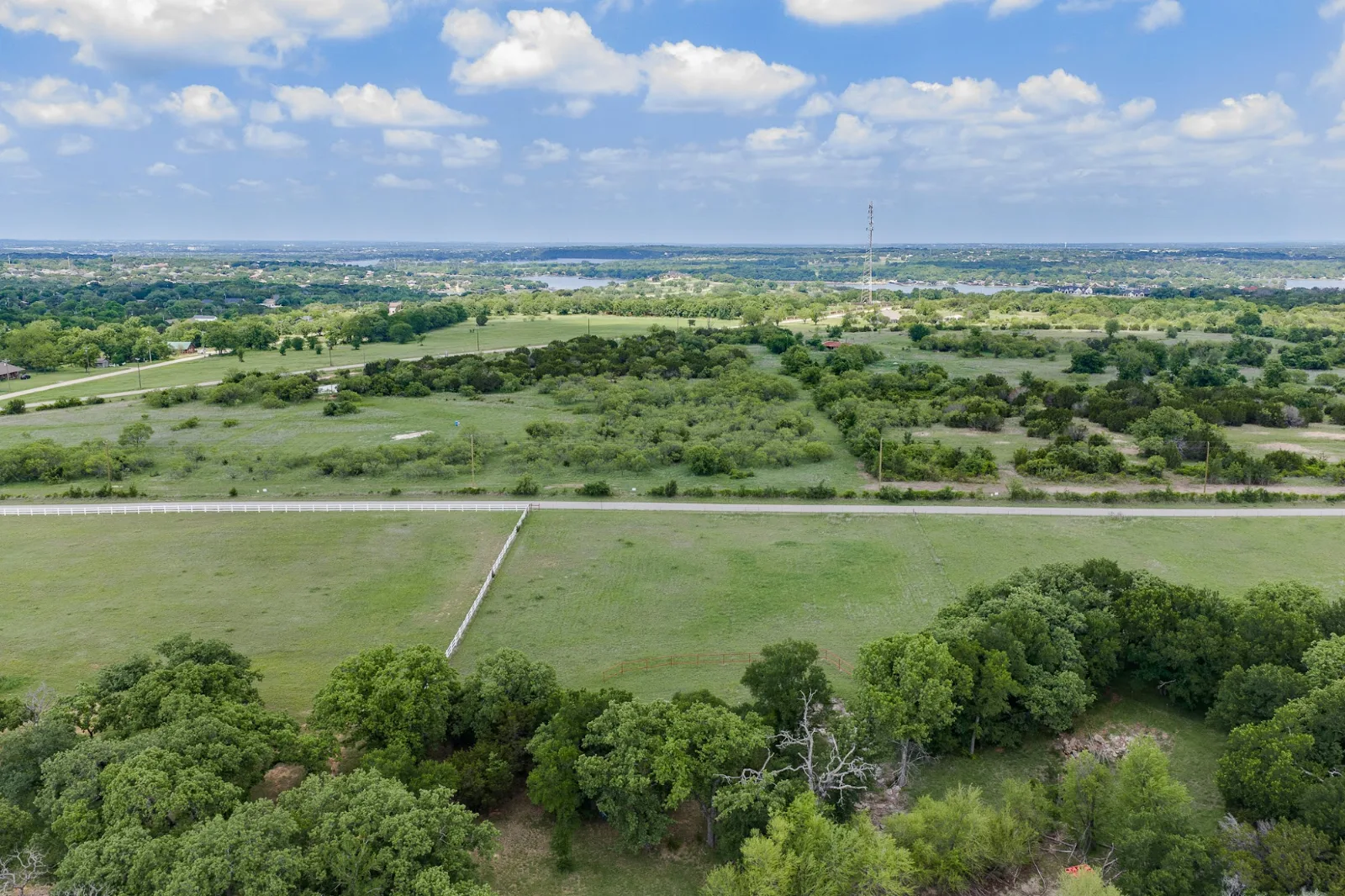
For residential and homestead buyers: the Lockhart-Luling-Dale corridor in Caldwell County is the sweet spot — utilities available on most tracts, 2 to 18+ acres, unrestricted, and about 30 to 50 minutes from Austin. Bateman Ranches in Red Rock and Seawillow Ranches round out the close-in options.
Every listing on our available Central Texas properties page states the acreage, county, utilities, and restrictions status, so you can sort recreational from residential at a glance.
Find the Tract That Fits Your Plan
Weekend escape, future homestead, or both — the right tract is the one that matches how you will actually use it. La Tierra's unrestricted, owner-financed tracts across Central Texas keep every option open. Call (512) 980-1719. Atención en español.
Browse Central Texas Land
Get the Free Buyer's Checklist
Frequently Asked Questions
What is the difference between recreational and residential land?
Recreational land is for part-time use - hunting, camping, weekends - so buyers prioritize acreage, privacy, and features like water over utilities and commute. Residential land is for full-time living, so utilities, drive time, and a buildable home site come first. On unrestricted land, the same tract can serve both purposes over time.
Is recreational land cheaper than residential land in Central Texas?
Often, yes, because recreational tracts tend to sit farther from cities and may lack utilities, which lowers the price per acre. Residential-ready land near Austin with water, electric, and internet available costs more but saves heavily on setup. Compare total cost - land plus improvements - not just the sticker price.
Can I build a house on recreational land later?
On unrestricted land, yes - there is no deed rule stopping you from adding a home, barndominium, or manufactured home when you are ready. The practical questions are utilities and septic: land with water, electric, and internet available makes the conversion far cheaper.
Do I need a lot of acreage for hunting land in Central Texas?
More acreage generally means better hunting, but small-tract owners in Central Texas do hunt - Texas requires a hunting license, and safety and local rules on discharging firearms apply, especially near neighbors. Many buyers on 10 to 18+ acre tracts focus on bow hunting, dove, and hogs. Check county rules before you plan around it.
This article is general information for Texas land buyers and is not legal, tax, or financial advice. Tax valuations, county rules, utility availability, and deed restrictions vary by tract — verify the specifics with the county appraisal district and with La Tierra before you buy.
La respuesta corta para quien compara terreno recreativo en venta en el centro de Texas contra acres residenciales: elija según qué tan seguido estará ahí y qué necesita funcionando desde el primer día. Una propiedad de fin de semana puede cambiar servicios y tiempo de manejo por más acres y privacidad. Un hogar no — necesita agua, electricidad, internet y un trayecto razonable.
La buena noticia es que en el centro de Texas los terrenos sin restricciones borran la línea. Muchos compradores empiezan con un lugar de fin de semana y lo convierten en casa después. Esta comparación recorre ambos caminos para que elija con confianza.
¿Qué Cuenta como Terreno Recreativo?
El terreno recreativo es propiedad que usa, no donde vive — al menos no de tiempo completo. En el centro de Texas normalmente significa:
- Terreno de cacería con monte, arboleda o bajíos de arroyo donde hay venado, jabalí y paloma
- Propiedad de fin de semana para acampar, viajes en RV, ATVs y carnes asadas familiares
- Pesca y acceso al agua, desde estanques hasta frente de río
- Una inversión a largo plazo que disfruta ahora y construye o vende después
Como no vive ahí a diario, puede priorizar acres, privacidad y características como el agua por encima del tiempo de traslado y los servicios. Un terreno a 60 o 90 minutos de Austin — cerca de Waelder en el condado de Gonzales o Kopperl en el condado de Bosque — suele dar mucho más terreno por dólar que cualquier cosa cerca de la ciudad.
Si el agua es el atractivo, nuestra guía de terrenos con arroyo, estanque y río en el centro de Texas explica qué buscar, incluidos los terrenos de Brazos River Ranch cerca de Granbury.
¿Qué Cuenta como Terreno Residencial?
El terreno residencial es donde realmente vivirá — un sitio para una casa, barndominio o casa manufacturada, ya sea el año que viene o en cinco años. El terreno para vivienda tiene una lista más estricta:
- Servicios. Agua, electricidad e internet de alta velocidad deben estar disponibles, no en teoría. Acarrear agua cansa rápido cuando es su vida diaria.
- Tiempo de manejo. El trabajo, la escuela y el súper ponen un límite real. Para compradores del área de Austin, normalmente significa quedarse dentro de una hora de la ciudad.
- Un sitio construible. Suficiente terreno seco y accesible para casa, sistema séptico y entrada.
- Documentación. Levantamiento y título limpio, para que la construcción y el financiamiento fluyan.
Aquí destaca el condado de Caldwell: los terrenos alrededor de Lockhart, Luling y Dale están a unos 30 a 50 minutos de Austin, y la mayoría de los listados de La Tierra ahí tienen agua, electricidad e internet de alta velocidad disponibles, con levantamiento y documentación completa incluidos. Nuestra guía de terrenos cerca de Austin ordena los corredores por valor.
Recreativo vs. Residencial: Cinco Preguntas Que lo Deciden
Pase sus planes por estas cinco preguntas:
- ¿Cuántas noches al mes estará ahí? Unos fines de semana al año apunta a recreativo. Casi todas las noches de la semana apunta a residencial.
- ¿Necesita servicios desde el primer día? Para vivir de tiempo completo, sí. La cacería y el campamento pueden esperar — aunque los servicios nunca perjudican la reventa.
- ¿Qué tan lejos es demasiado lejos? Los compradores recreativos se estiran a 90 minutos. Quienes van a vivir ahí deben mantenerse cerca de una hora.
- ¿Cuál es su plan fiscal? Una residencia principal puede calificar para la exención de homestead sobre la casa, mientras que terrenos recreativos más grandes con historial de uso agrícola pueden calificar para la valuación agrícola — verifique los detalles con el distrito de valuación de su condado.
- ¿Cuál es la salida? El terreno cerca de una ciudad en crecimiento y con servicios disponibles suele atraer al grupo más amplio de compradores futuros.
No hay respuesta incorrecta — solo una mala combinación entre el terreno y cómo realmente lo usará.
Por Qué el Terreno Sin Restricciones le Permite Hacer Ambas Cosas
Esta es la parte que la mayoría de los compradores pasa por alto: en terreno sin restricciones, no tiene que elegir para siempre.
La mayoría de los terrenos de La Tierra no tienen restricciones de escritura. Eso significa que puede usar un terreno de forma recreativa hoy — estacionar la RV, acampar con los niños, cazar en la cerca trasera — y después poner un barndominio, casa manufacturada o casa construida en sitio en el mismo terreno. El ganado también está permitido. Sin voto de HOA, sin metros cuadrados mínimos, sin regla contra que sus planes cambien. Vea lo que eso abre en nuestra guía de barndominios, tiny homes y RVs en terreno de Texas.
Los fraccionamientos con restricciones le quitan esa flexibilidad. Una escritura de “solo residencial” puede convertir el uso de RV de fin de semana en una violación, y un terreno recreativo sin acceso a servicios puede encarecer mucho la construcción futura. Nuestra guía para comprar terreno sin restricciones en Texas explica exactamente qué puede y qué no puede hacer.
El financiamiento del dueño encaja con este enfoque de dos caminos. A través de Stonebridge Purchasing (NMLS #2349261), La Tierra ofrece términos flexibles y enganche bajo, así que puede asegurar el terreno ahora y mejorarlo a su propio ritmo — pregunte por los términos actuales.
Dónde Brilla Cada Tipo en el Centro de Texas
Para compradores recreativos y de fin de semana: vea Waelder Ranches en el condado de Gonzales, Brazos Point Ranch cerca de Kopperl en el condado de Bosque y los terrenos de Brazos River Ranch cerca de Granbury en el condado de Hood. Mineral Springs Ranches cerca de Luling suma frente a estanque en lotes selectos, y Tenney Creek Ranch en Dale tiene frente a arroyo — todos a distancia razonable de Austin para un viaje de viernes.
Para compradores residenciales y de vivienda: el corredor Lockhart-Luling-Dale en el condado de Caldwell es el punto ideal — servicios disponibles en la mayoría de los terrenos, 2 a 18+ acres, sin restricciones y a unos 30 a 50 minutos de Austin. Bateman Ranches en Red Rock y Seawillow Ranches completan las opciones cercanas.
Cada listado en nuestra página de propiedades disponibles en el centro de Texas indica los acres, el condado, los servicios y el estatus de restricciones, para que distinga recreativo de residencial de un vistazo.
Encuentre el Terreno Que Encaja con Su Plan
Escape de fin de semana, futura vivienda o ambas — el terreno correcto es el que coincide con cómo realmente lo usará. Los terrenos sin restricciones y con financiamiento del dueño de La Tierra en el centro de Texas mantienen todas las opciones abiertas. Llame al (512) 980-1719. Atención en español.
Ver Terrenos en el Centro de Texas
Descargue la Lista Gratuita
Preguntas Frecuentes
¿Cuál es la diferencia entre terreno recreativo y residencial?
El terreno recreativo es para uso de medio tiempo - cacería, campamento, fines de semana - así que los compradores priorizan acres, privacidad y características como agua por encima de servicios y tiempo de traslado. El terreno residencial es para vivir de tiempo completo, así que los servicios, el tiempo de manejo y un sitio construible van primero. En terreno sin restricciones, el mismo lote puede servir para ambos propósitos con el tiempo.
¿El terreno recreativo es más barato que el residencial en el centro de Texas?
A menudo sí, porque los terrenos recreativos suelen estar más lejos de las ciudades y pueden no tener servicios, lo que baja el precio por acre. El terreno listo para vivir cerca de Austin con agua, electricidad e internet disponibles cuesta más pero ahorra mucho en la instalación. Compare el costo total - terreno más mejoras - no solo el precio de lista.
¿Puedo construir una casa en terreno recreativo más adelante?
En terreno sin restricciones, sí - no hay regla de escritura que le impida agregar una casa, barndominio o casa manufacturada cuando esté listo. Las preguntas prácticas son los servicios y el séptico: el terreno con agua, electricidad e internet disponibles hace la conversión mucho más barata.
¿Necesito muchos acres para cacería en el centro de Texas?
Más acres generalmente significa mejor cacería, pero los dueños de terrenos pequeños en el centro de Texas sí cazan - Texas requiere licencia de caza, y aplican reglas de seguridad y reglas locales sobre disparar armas, especialmente cerca de vecinos. Muchos compradores con 10 a 18+ acres se enfocan en arco, paloma y jabalí. Revise las reglas del condado antes de planear alrededor de eso.
Este artículo es información general para compradores de terreno en Texas y no constituye asesoría legal, fiscal ni financiera. Las valuaciones fiscales, las reglas del condado, la disponibilidad de servicios y las restricciones varían por terreno — verifique los detalles con el distrito de valuación del condado y con La Tierra antes de comprar.