Unrestricted Land·7 min read·Published November 2026
Yes, on unrestricted land outside city limits, if the RV's sewage goes to a permitted septic system. Here are the rules, setup costs, taxes, and how to live in an RV while you build.
Yes. Texas has no statewide law against living in an RV on land you own, so the answer depends on three local limits: city zoning, deed restrictions, and wastewater rules. On unrestricted land outside city limits, an owner can usually live in an RV full time if its sewage goes to a permitted septic system and the RV has a legal water and power supply.
La Tierra Realty is an Austin-based land company that sells surveyed, unrestricted acreage in Central and North Texas with owner financing through Stonebridge Purchasing (NMLS #2349261), and many buyers live in an RV while they build. The sections below cover the rules that apply, septic and utilities, costs, taxes, and how to set up an RV site the right way.
Is It Legal to Live in an RV on Your Own Property in Texas?
It is legal to live in an RV on your own property in most rural parts of Texas. State law does not prohibit it, and Texas counties generally have no zoning power over private land outside cities. The practical limits come from city zoning inside city limits, private deed restrictions or HOA rules, and state wastewater law.
| Rule | Where it applies | Effect on RV living |
|---|
| City zoning | Inside city limits | Often bans living in an RV outside an RV park |
| Deed restrictions or HOA | Subdivisions with recorded restrictions | Often ban RVs as a residence or limit them to short stays |
| County rules | Unincorporated areas | Limited; usually septic, floodplain, and RV park rules |
| State wastewater law | Everywhere in Texas | Sewage must go to a permitted system or a dump station |
Deed restrictions are the most common barrier. Under Texas Property Code Chapter 202, recorded restrictions are enforceable, and many rural subdivisions ban RVs as homes. Unrestricted land has no such covenants, which is why La Tierra's guide to unrestricted land in Texas is the first stop for RV buyers.
What Does an RV Need for Septic, Water, and Power?
An RV used as a home in Texas needs a lawful way to dispose of sewage, a safe water source, and electric service. Texas Health and Safety Code Chapter 366 and TCEQ rules treat RV sewage like any household wastewater, so it must go to a permitted on-site sewage facility or be hauled to an approved dump station.
- Septic. Most owners install the septic system sized for the future house first and connect the RV to it. La Tierra's septic system cost guide covers prices and permits.
- Water. Connect to a rural water supply corporation where available, drill a well, or haul water to a tank.
- Power. An electric co-op can set a meter and a 30-amp or 50-amp RV pedestal; solar works for smaller loads.
- Pad and access. A gravel pad and driveway keep the RV level and reachable after rain.
Dumping black or gray water on the ground is illegal and can bring county enforcement. Plan the septic before the RV moves in.
Can You Live in an RV While Building a House?
Yes. Living in an RV while building a house is common on unrestricted Texas land, and it lets owners watch the build and save on rent. The RV can share the home's septic system and electric service once those are installed, and many owners keep the RV afterward as a guest space.
A typical sequence on rural land looks like this:
- Close on the land and confirm there are no deed restrictions against RVs.
- Clear and grade the house site, RV pad, and driveway.
- Install the septic system under a permit sized for the future house.
- Bring in power and water, with an RV pedestal near the pad.
- Move the RV in and start the house, barndominium, or manufactured home.
La Tierra's build-on-your-land checklist and barndominium and tiny home guide cover the house side of the plan.
How Much Does It Cost to Set Up an RV on Raw Land?
Setting up an RV site on raw land in Texas often costs $15,000 to $40,000 before the RV itself, depending mostly on septic type, distance to power, and whether you need a well. Sites near existing electric and water lines cost far less than remote sites.
| Item | Typical cost range |
|---|
| Septic system | $3,000 to $8,000 conventional; $10,000 to $20,000 aerobic (Angi, 2025 Texas data) |
| Electric service and RV pedestal | A few thousand dollars, more for long line extensions |
| Water | Meter and tap fee from a water supply corporation, or a well |
| Gravel pad and driveway | Several thousand dollars depending on length |
| Permits | Septic permit $200 to $1,500; floodplain permit where required |
La Tierra's guide to well, septic, and utility costs gives fuller numbers for each item.
Do You Pay Property Taxes or Get a Homestead Exemption on an RV?
You pay property taxes on the land under an RV, but an RV generally does not qualify the land for a Texas residence homestead exemption, because Tax Code Section 11.13 defines a homestead as a structure such as a house or manufactured home, and an RV is a titled vehicle. The RV itself is registered with the Texas Department of Motor Vehicles.
The homestead exemption starts once a house or manufactured home is occupied. La Tierra's homestead exemption guide explains the $140,000 school exemption, and an ag valuation can lower taxes on the rest of the land in the meantime. Buyers who use La Tierra's owner financing sign a non-homestead affidavit at closing, so ask La Tierra how that affects a homestead exemption before you plan around one.
Which La Tierra Tracts Allow RV Living?
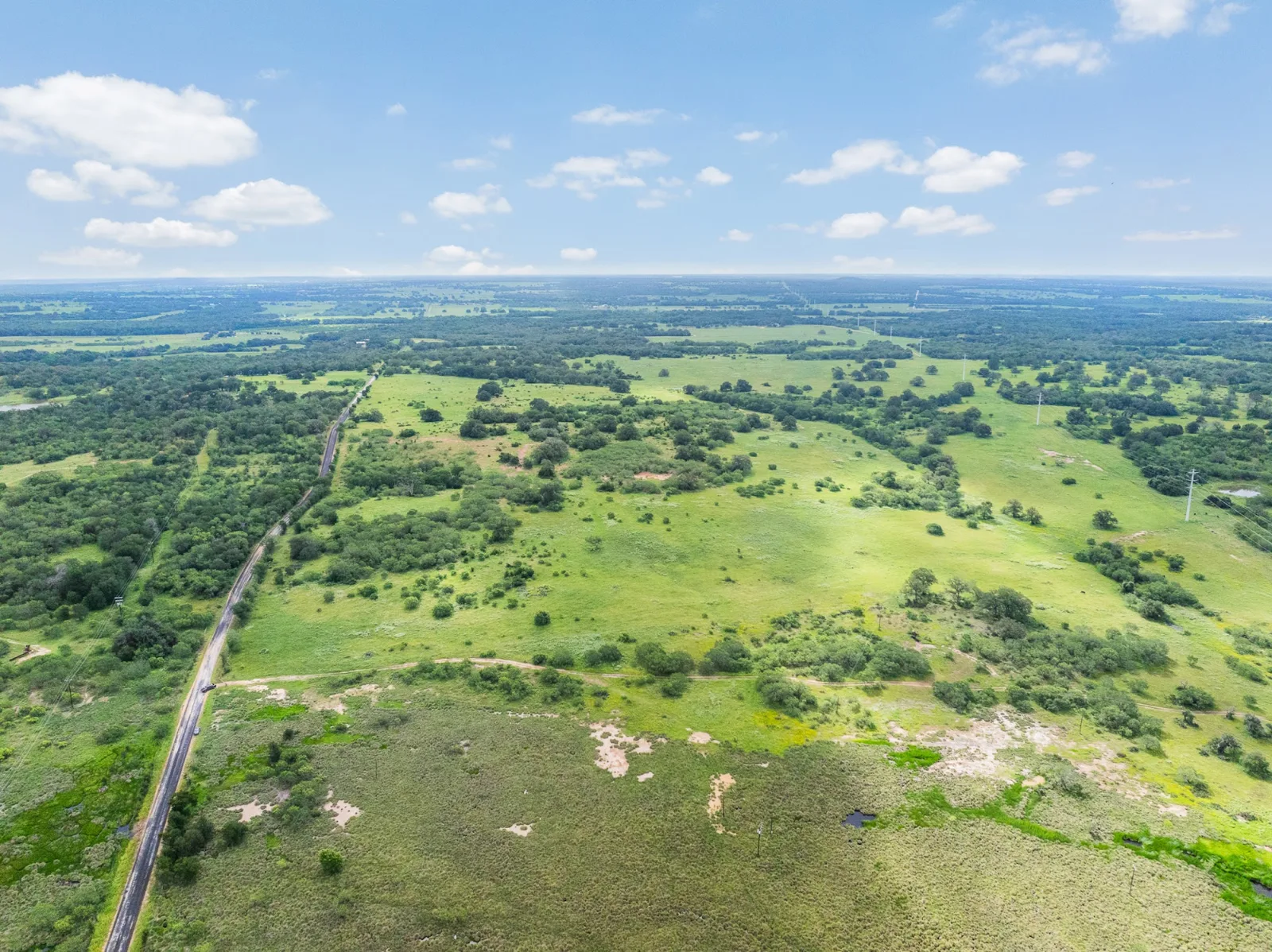
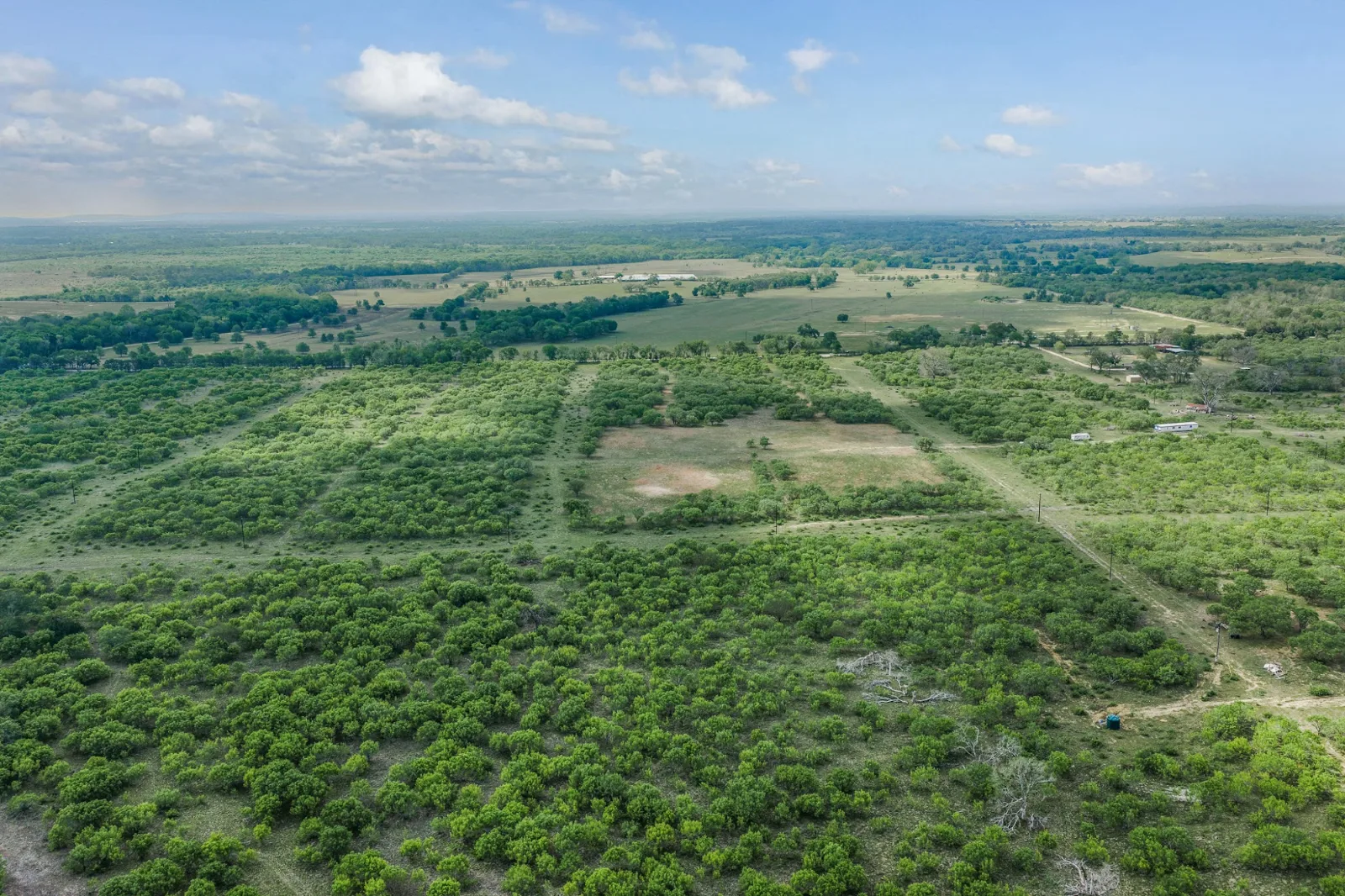
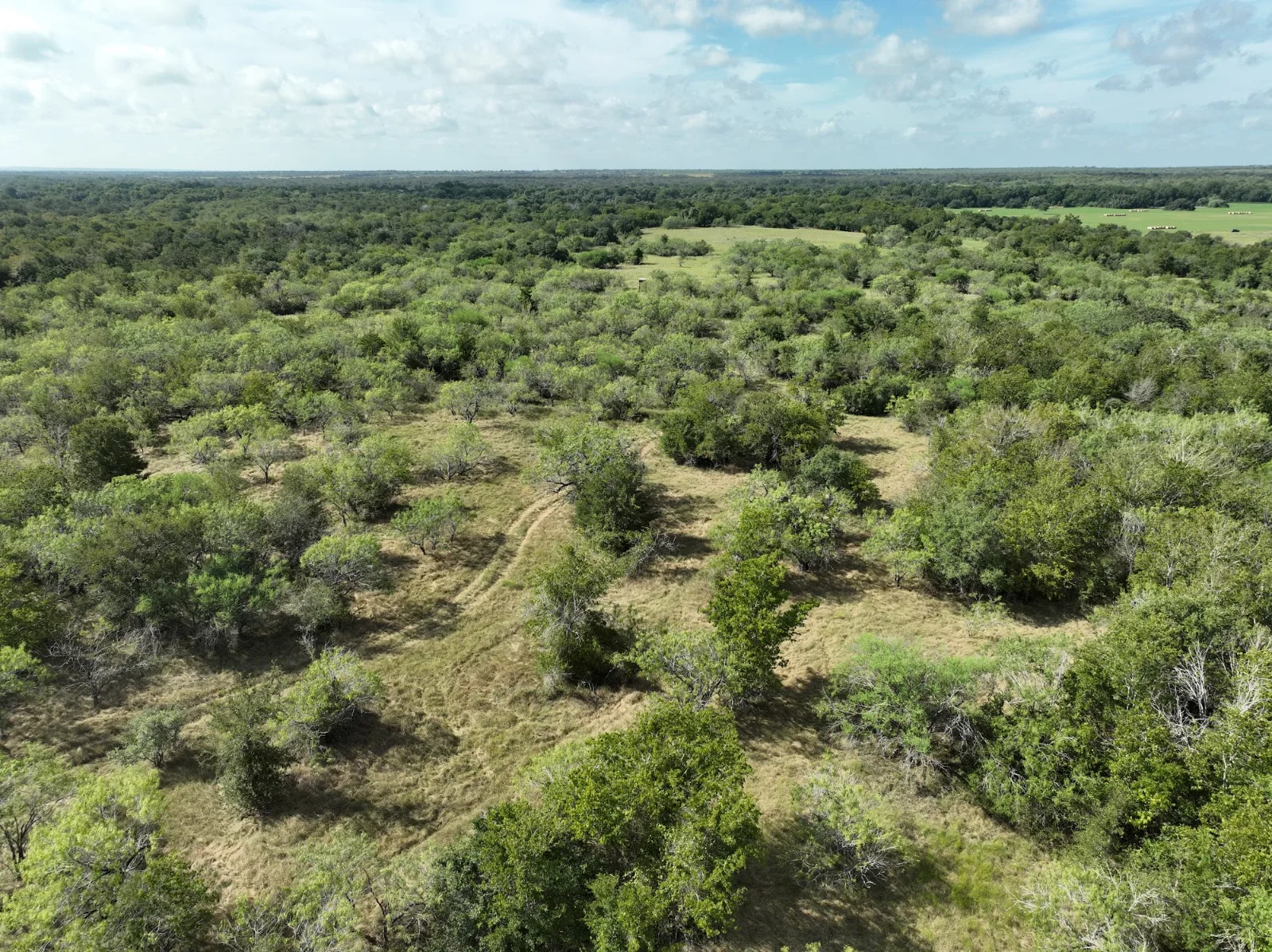
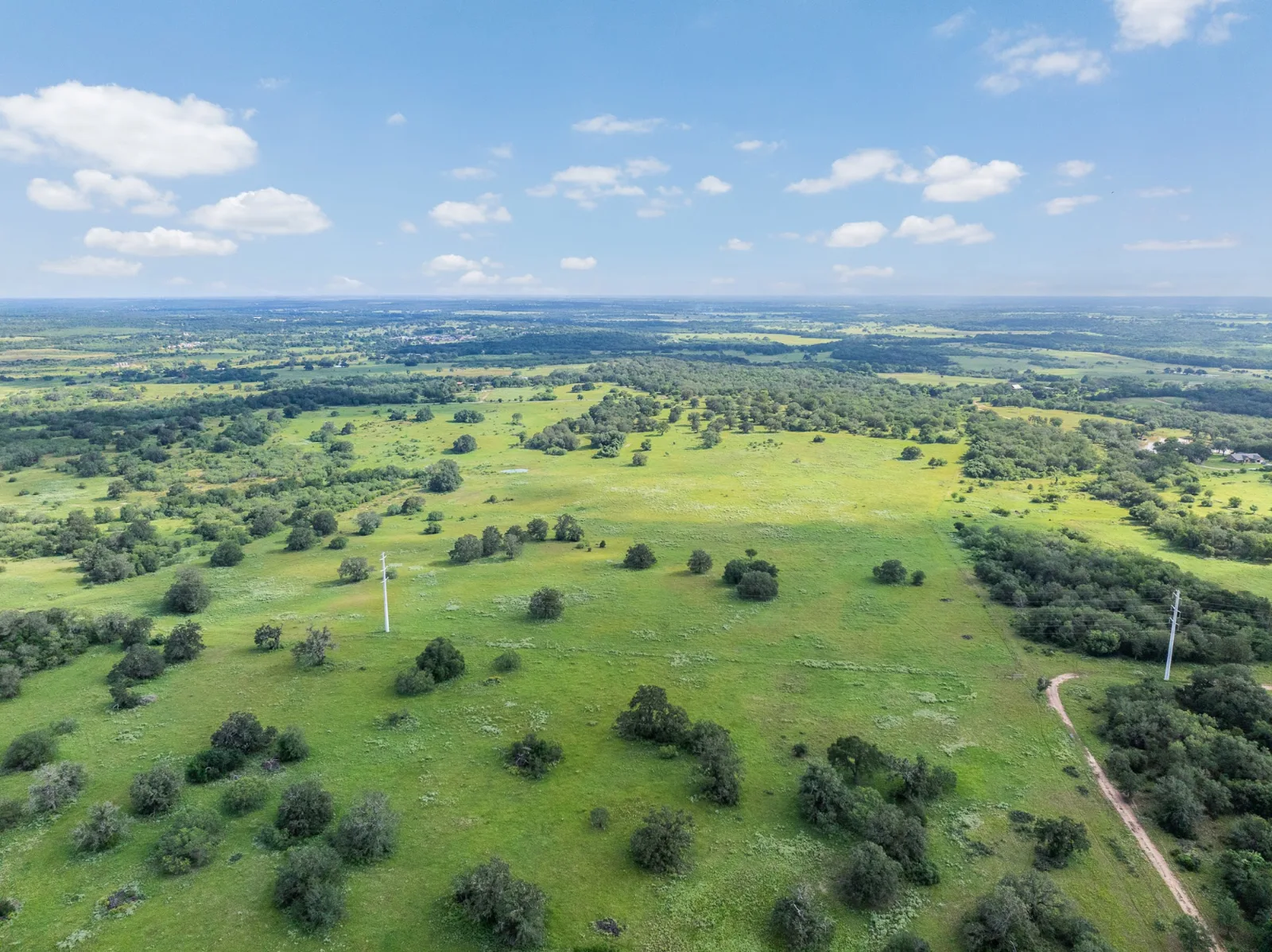
La Tierra Realty tracts are unrestricted, so RV living is allowed under the deed, subject to state and county rules such as septic permits. Buyers often choose tracts with water and electric available to cut setup costs.
Options include Eagle Ranch near Luling, with 10 to 13 acre lots from $209,000, Arroyo Farms near Burlington, with 3 to about 8 acre lots from $80,000, and Brazos Point Ranch near Kopperl, with about 2.8 to 6.9 acre lots from $79,500. Financing runs through owner financing with Stonebridge Purchasing. See every lot on the available properties page.
Find Unrestricted Land for Your RV
La Tierra Realty's surveyed, unrestricted tracts across Central and North Texas allow RVs, mobile homes, and barndominiums, with owner financing through Stonebridge Purchasing. Call (512) 980-1719. Atención en español.
Browse Texas Land
Download the Free Land Buyer's Checklist
Sources: Texas Property Code Chapter 202, Construction and Enforcement of Restrictive Covenants (2026); Texas Health and Safety Code Chapter 366, On-Site Sewage Disposal Systems (2026); Texas Commission on Environmental Quality, On-Site Sewage Facility Permits (2026); Texas Tax Code §11.13 (2026); Angi, Septic System Installation Cost in Texas, 2025 data (2025); Texas Department of Motor Vehicles, vehicle registration (2026).
Frequently Asked Questions
How long can you live in an RV on your own land in Texas?
On unrestricted land outside city limits, Texas sets no time limit on living in an RV on your own property. Limits come from city zoning, deed restrictions, or HOA rules where they apply, and from wastewater law. Inside a city, check the zoning code, since many cities allow RVs only in RV parks or for short visits.
Can I rent out RV spaces on my land?
Renting RV spaces to others is different from living in your own RV. Several spaces rented for money can make the property an RV park, which some Texas counties regulate with infrastructure and permit rules, and the sewage system must be sized for every space. Check county rules and talk to a septic designer first.
Do I need a permit to put an RV on my land in Texas?
There is usually no permit to park your own RV on unrestricted rural land, but the septic system needs a permit from the local authority, and building in a mapped floodplain may need a county floodplain permit. Inside city limits, zoning and building permits may apply.
Can I use a composting toilet instead of septic for an RV?
A composting toilet can handle toilet waste, but Texas rules still require gray water from sinks and showers to go to an approved system. Ask the county septic authority which options it accepts before relying on a composting toilet as your only wastewater plan.
Does owner financing work for land I will live on in an RV?
Yes. La Tierra Realty's owner financing through Stonebridge Purchasing applies to the land regardless of whether you live in an RV, a manufactured home, or a house. Owner financing typically closes with a warranty deed to the buyer plus a note and deed of trust, so you own the land from closing. Owner-financed buyers also sign a non-homestead affidavit at closing; ask La Tierra how it applies to your plans.
This article is general information for Texas land buyers and is not legal advice. Rules differ by city, county, and subdivision; confirm deed restrictions, zoning, and septic requirements for a specific tract before you buy.
Sí. Texas no tiene una ley estatal que prohíba vivir en un RV en un terreno de su propiedad, así que la respuesta depende de tres límites locales: la zonificación de la ciudad, las restricciones de escritura y las reglas de aguas residuales. En terreno sin restricciones fuera de los límites de una ciudad, un dueño normalmente puede vivir en un RV de tiempo completo si las aguas negras van a un sistema séptico con permiso y el RV tiene agua y electricidad legales.
La Tierra Realty es una empresa de terrenos con sede en Austin que vende terrenos deslindados y sin restricciones en el centro y norte de Texas con financiamiento del dueño a través de Stonebridge Purchasing (NMLS #2349261), y muchos compradores viven en un RV mientras construyen. Las secciones de abajo cubren las reglas que aplican, la séptica y los servicios, los costos, los impuestos y cómo preparar un sitio para RV de la manera correcta.
¿Es Legal Vivir en un RV en Su Propio Terreno en Texas?
Es legal vivir en un RV en su propio terreno en la mayor parte de las zonas rurales de Texas. La ley estatal no lo prohíbe, y los condados de Texas por lo general no tienen poder de zonificación sobre terrenos privados fuera de las ciudades. Los límites prácticos vienen de la zonificación municipal dentro de las ciudades, de las restricciones de escritura o reglas de una asociación de propietarios (HOA) y de la ley estatal de aguas residuales.
| Regla | Dónde aplica | Efecto en vivir en un RV |
|---|
| Zonificación municipal | Dentro de los límites de la ciudad | Muchas veces prohíbe vivir en un RV fuera de un parque de RV |
| Restricciones de escritura o HOA | Fraccionamientos con restricciones registradas | Muchas veces prohíben el RV como vivienda o lo limitan a estancias cortas |
| Reglas del condado | Áreas no incorporadas | Limitadas; normalmente séptica, zona de inundación y parques de RV |
| Ley estatal de aguas residuales | En todo Texas | Las aguas negras deben ir a un sistema con permiso o a una estación de descarga |
Las restricciones de escritura son el obstáculo más común. Según el Capítulo 202 del Código de Propiedad de Texas, las restricciones registradas se pueden hacer cumplir, y muchos fraccionamientos rurales prohíben el RV como vivienda. El terreno sin restricciones no tiene esos convenios, y por eso la guía de terreno sin restricciones en Texas de La Tierra es el primer paso para quien busca vivir en RV.
¿Qué Necesita un RV de Séptica, Agua y Electricidad?
Un RV que se usa como vivienda en Texas necesita una forma legal de desechar las aguas negras, una fuente de agua segura y servicio eléctrico. El Capítulo 366 del Código de Salud y Seguridad de Texas y las reglas de TCEQ tratan las aguas negras de un RV como cualquier agua residual doméstica, así que deben ir a una instalación séptica con permiso o llevarse a una estación de descarga aprobada.
- Séptica. La mayoría de los dueños instala primero el sistema séptico del tamaño de la casa futura y conecta el RV a él. La guía de costos de sistema séptico de La Tierra cubre precios y permisos.
- Agua. Conéctese a una corporación rural de agua donde haya, perfore un pozo o acarree agua a un tanque.
- Electricidad. Una cooperativa eléctrica puede poner un medidor y un pedestal para RV de 30 o 50 amperes; la energía solar sirve para cargas más chicas.
- Plataforma y acceso. Una plataforma de grava y una entrada mantienen el RV nivelado y accesible después de la lluvia.
Tirar aguas negras o grises al suelo es ilegal y puede traer sanciones del condado. Planee la séptica antes de meter el RV.
¿Se Puede Vivir en un RV Mientras Construye una Casa?
Sí. Vivir en un RV mientras se construye una casa es común en terreno sin restricciones en Texas, y permite al dueño vigilar la obra y ahorrarse la renta. El RV puede compartir la séptica y el servicio eléctrico de la casa una vez instalados, y muchos dueños conservan el RV después como cuarto de visitas.
Una secuencia típica en terreno rural es así:
- Cierre la compra del terreno y confirme que no hay restricciones de escritura contra los RV.
- Limpie y nivele el sitio de la casa, la plataforma del RV y la entrada.
- Instale el sistema séptico con permiso y del tamaño de la casa futura.
- Traiga la electricidad y el agua, con un pedestal para RV cerca de la plataforma.
- Meta el RV y empiece la casa, el barndominio o la casa manufacturada.
La lista para construir en su terreno y la guía de barndominios y casas pequeñas de La Tierra cubren la parte de la casa.
¿Cuánto Cuesta Preparar un RV en Terreno Sin Construir?
Preparar un sitio para RV en terreno sin construir en Texas muchas veces cuesta de $15,000 a $40,000 sin contar el RV, según el tipo de séptica, la distancia a la luz y si necesita pozo. Los sitios cerca de líneas eléctricas y de agua existentes cuestan mucho menos que los sitios aislados.
| Concepto | Rango de costo típico |
|---|
| Sistema séptico | $3,000 a $8,000 convencional; $10,000 a $20,000 aeróbico (Angi, datos 2025 de Texas) |
| Servicio eléctrico y pedestal para RV | Unos miles de dólares, más si la línea es larga |
| Agua | Medidor y cuota de conexión de una corporación de agua, o un pozo |
| Plataforma de grava y entrada | Varios miles de dólares según la longitud |
| Permisos | Permiso de séptica de $200 a $1,500; permiso de zona de inundación donde se requiera |
La guía de La Tierra sobre costos de pozo, séptica y servicios da números más completos de cada concepto.
¿Se Paga Impuesto Predial o Hay Exención de Homestead con un RV?
Se paga impuesto predial por el terreno donde está el RV, pero un RV por lo general no hace que el terreno califique para la exención de residencia homestead de Texas, porque la Sección 11.13 del Código Fiscal define el homestead como una estructura, como una casa o una casa manufacturada, y un RV es un vehículo con título. El RV se registra ante el Departamento de Vehículos Motorizados de Texas.
La exención de homestead empieza cuando se ocupa una casa o una casa manufacturada. La guía de exención de homestead de La Tierra explica la exención escolar de $140,000, y una valuación agrícola puede bajar el impuesto del resto del terreno mientras tanto. Quienes usan el financiamiento del dueño de La Tierra firman una declaración jurada de no homestead al cierre, así que pregunte a La Tierra cómo afecta la exención de homestead antes de contar con ella.
¿Qué Terrenos de La Tierra Permiten Vivir en RV?
Los terrenos de La Tierra Realty no tienen restricciones, así que la escritura permite vivir en RV, sujeto a las reglas estatales y del condado como los permisos de séptica. Los compradores muchas veces escogen terrenos con agua y electricidad disponibles para bajar el costo de preparación.
Las opciones incluyen Eagle Ranch cerca de Luling, con lotes de 10 a 13 acres desde $209,000, Arroyo Farms cerca de Burlington, con lotes de 3 a unos 8 acres desde $80,000, y Brazos Point Ranch cerca de Kopperl, con lotes de unos 2.8 a 6.9 acres desde $79,500. El financiamiento corre por el financiamiento del dueño con Stonebridge Purchasing. Vea cada lote en la página de propiedades disponibles.
Encuentre Terreno Sin Restricciones para Su RV
Los terrenos deslindados y sin restricciones de La Tierra Realty en el centro y norte de Texas permiten RV, casas móviles y barndominios, con financiamiento del dueño a través de Stonebridge Purchasing. Llame al (512) 980-1719. Atención en español.
Ver Terrenos en Texas
Descargue la Lista Gratuita para Compradores de Terreno
Fuentes: Código de Propiedad de Texas, Capítulo 202, Interpretación y Aplicación de Convenios Restrictivos (2026); Código de Salud y Seguridad de Texas, Capítulo 366, Sistemas de Disposición de Aguas Residuales en Sitio (2026); Comisión de Calidad Ambiental de Texas, permisos de instalaciones sépticas (2026); Código Fiscal de Texas §11.13 (2026); Angi, costo de instalación de sistema séptico en Texas, datos 2025 (2025); Departamento de Vehículos Motorizados de Texas, registro de vehículos (2026).
Preguntas Frecuentes
¿Cuánto tiempo se puede vivir en un RV en su propio terreno en Texas?
En terreno sin restricciones fuera de los límites de una ciudad, Texas no fija un límite de tiempo para vivir en un RV en su propio terreno. Los límites vienen de la zonificación municipal, las restricciones de escritura o las reglas de HOA donde apliquen, y de la ley de aguas residuales. Dentro de una ciudad, revise el código de zonificación, porque muchas ciudades permiten RV solo en parques de RV o para visitas cortas.
¿Puedo rentar espacios para RV en mi terreno?
Rentar espacios para RV a otras personas es distinto de vivir en su propio RV. Varios espacios rentados por dinero pueden convertir la propiedad en un parque de RV, que algunos condados de Texas regulan con reglas de infraestructura y permisos, y el sistema de aguas residuales debe tener capacidad para cada espacio. Revise las reglas del condado y hable primero con un diseñador de sépticas.
¿Necesito permiso para poner un RV en mi terreno en Texas?
Normalmente no hay permiso para estacionar su propio RV en terreno rural sin restricciones, pero el sistema séptico necesita permiso de la autoridad local, y construir en una zona de inundación mapeada puede requerir un permiso de zona de inundación del condado. Dentro de la ciudad pueden aplicar la zonificación y los permisos de construcción.
¿Puedo usar un baño seco o de compostaje en lugar de séptica para un RV?
Un baño de compostaje puede manejar los desechos del baño, pero las reglas de Texas aún exigen que las aguas grises de lavabos y regaderas vayan a un sistema aprobado. Pregúntele a la autoridad de séptica del condado qué opciones acepta antes de depender de un baño de compostaje como su único plan de aguas residuales.
¿El financiamiento del dueño funciona para un terreno donde viviré en RV?
Sí. El financiamiento del dueño de La Tierra Realty a través de Stonebridge Purchasing aplica al terreno sin importar si vive en un RV, una casa manufacturada o una casa. El financiamiento del dueño normalmente cierra con escritura de garantía a nombre del comprador más un pagaré y una escritura de fideicomiso, así que usted es dueño del terreno desde el cierre. Quienes usan el financiamiento del dueño también firman una declaración jurada de no homestead al cierre; pregunte a La Tierra cómo aplica a sus planes.
Este artículo es información general para compradores de terreno en Texas y no constituye asesoría legal. Las reglas cambian según la ciudad, el condado y el fraccionamiento; confirme las restricciones de escritura, la zonificación y los requisitos de séptica de un terreno específico antes de comprar.